EIZO RadiForce RX270 computer monitor 54.1 cm (21.3") 1200 x 1600 pixels UXGA LCD Black, White
- Screen: 54.1 cm (21.3"), 1200 x 1600 pixels, IPS, Flat
- Refresh rate: 20 ms response time
- Brightness: 1000 cd/m²
- Ports: 2 × DisplayPort
- Stand: height-adjustable, tilt, VESA 100 x 100 mm
- Extras: USB hub
- Colour: Black, White
Where to buy
We're not tracking prices for this product yet. Check current prices directly at:
We may earn a commission when you buy through links on this page — at no extra cost to you. Learn more
About this product
High-contrast 2-megapixel monitor for greyscale and colour images from X-ray, CT and MRI scans as well as 3D reconstructions or nuclear medicine examinations.
Excellent image quality for the finest details
Thanks to the high 2 Megapixels (colour) resolution, a strong contrast ratio of 1800:1 and stable brightness of up to 1000 cd/m2, the monitor offers excellent image quality. Even the differences between the finest details are shown – regardless of your viewing angle. This is a great advantage if multiple physicians are looking at the screen.
Observe monochrome and color images on a single monitor
The hybrid gamma PXL functionality automatically differentiates between monochrome and colour images, pixel by pixel. This creates a hybrid display on which each pixel is displayed with the ideal tone value. In this way, a high level of precision and reliability is achieved.
The RX270 displays sophisticated monochrome images just as reliably as color images from various modalities. In practice, this means a significant increase in efficiency, as images from different imaging procedures can be displayed on just one monitor.
Blur reduction
LCD panels with a high brightness level tend to have more blurry image rendering thanks to over-framing than would be possible in comparison with an acquired exposure. Therefore, EIZO offers blur reduction anchored in monitor hardware. It retrieves details lost in the contours on the screen, meaning that the image is rendered as clearly as possible.
Consistent image quality thanks to integrated luminance sensor
The precise calibration of white point and tone value characteristic curve is provided by an integrated luminance sensor. This measures the brightness and grayscales and calibrates the monitor autonomously according to the DICOM standard. The sensor works automatically, without restricting the field of vision of the monitor. You can save the costs, time, and effort of maintenance and rely on a consistently balanced image quality.
Reliable brightness
EIZO is convinced of the quality of its products. The warranty for the monitors, therefore, also covers the brightness stability.
Uniform brightness and high color purity
The monitor shines thanks to its high color purity and uniform illumination. This is down to the Digital Uniformity Equalizer (DUE), which corrects imbalances automatically, pixel by pixel. Gray and color tones of radiological and other medical images are correctly rendered over the entire display. This is essential for precise image reproduction.
Constant brightness during operation
A sensor for the backlight permanently determines the luminance of the monitor. The benefit: The defined and calibrated values are rendered exactly just seconds after the monitor is turned on and remain constant during the entire period of use. The sensor is invisibly integrated in the monitor.
One billion color tones thanks to 13 bit LUT
Color rendering is controlled by a 13 bit look-up table (LUT), up to 10 bits of which are available in the DisplayPort connection. This produces a resolution with a maximum of 1 billion color tones. The rendering characteristic and fine structures required for diagnostics can therefore be precisely identified.
Consistently secure image quality
The optional EIZO RadiCS software to secure image quality enables extensive maintenance and testing of monitors and includes calibration, acceptance and constancy testing, and the archiving of all areas. If you are working on multiple stations, the use of the RadiNET Pro is recommended. This can be used to centrally control the calibration of all monitors, including data history. This saves you a significant amount of time and ensures consistently high image quality across the entire setup. The basic version RadiCS LE is already included with RadiForce monitors.
The Work-and-Flow technology
With the increasing digitisation of modalities, radiologists are confronted with a growing amount of information on their screens. EIZO's unique work-and-flow technology, with new features designed to meet the needs of radiologists, effectively counters the complexity of data. The RadiForce RX270 and RadiCS-LE software solution enable you to benefit from the Work-and-Flow functions.
Point-and-Focus: all eyes on the analysis
The Point-and-Focus function allows you to select and focus on relevant image areas quickly using your mouse or keyboard. By adjusting the brightness and greyscale, the interesting parts of an image are highlighted by dimming the surrounding areas.
Hide-and-Seek: fast retrieval of information
Hide-and-Seek adds the benefit of making it possible to access reports, patient files and other information on the display quickly and efficiently without needing an additional monitor. When you move your cursor towards or away from the edge of the screen, a PinP window hides and displays information.
Instant-Backlight-Booster: Higher brightness for better differentiability
The Instant Backlight Booster feature temporarily increases the brightness of the monitor for faster recognition of detailed medical images. With a single hotkey, users can activate the function for multiple monitors simultaneously, allowing them to easily view multiple screens under the same high brightness conditions. The brightness automatically returns to the original setting after a short time so the screen can continue to be used under typical diagnostic conditions.
DICOM Part 14 is not supported while Instant Backlight Booster is on.
Perfectly designed for diagnostic use
Narrow black frontal bezels make this device ideal for use in dark environments. They make it easy to visually concentrate on the display. Meanwhile, a white bezel at the sides of the monitors creates a fresh, clean look.
Documents
- BrochureProduct Brochure ↗
Specifications
Key specifications
- Display diagonalSize of the display for this product, measured diagonally, usually in inches.
- 54.1 cm (21.3")
- Display resolutionThe number of distinct pixels in each dimension that can be displayed. It is usually quoted as width × height, with the units in pixels: for example, "1024 × 768" means the width is 1024 pixels and the height is 768 pixels. The higher the number of pixels, the sharper the image.
- 1200 x 1600 pixels
- Panel typeThe technology used to manufacture the panel, such as AMOLED or AH-IPS.
- IPS
- Screen shapeDescribes the physical curvature of the display panel, such as whether it is flat or curved.
- Flat
- Response timeThe response time is the time difference between the moment that a source (for example a video card) sends a signal and that equipment (for example a monitor) receives or display the signal. (Used abbreviations: R/F = Rise and Fall.)
- 20 ms
- Display brightness (typical)Display brightness, measured by its Luminance, presented as a figure in nits. Typical brightness ratings for monitors range from 250 to 350 nits with a target value of between 80 to 120 nits being suitable for most displays in a normal viewing environment.
- 1000 cd/m²
- DisplayPorts quantityNumber of DisplayPorts. A DisplayPort is a digital display interface developed by the Video Electronics Standards Association (VESA). The interface is primarily used to connect a video source to a display device such as a computer monitor, though it can also be used to carry audio, USB, and other forms of data.
- 2
- Height adjustmentThe part of the device that can be adjusted to change the height.
- Yes
- Tilt adjustmentThe tilt, which means the angle at which the device is pointing (up or down), can be changed.
- Yes
- Panel mounting interfaceThe product can be used wih VESA mounting interfaces.
- 100 x 100 mm
- Built-in USB hubWhether or not the device features a USB hub to connect more than one other device via USB.
- Yes
- Product colourThe colour e.g. red, blue, green, black, white.
- Black, White
Show all 66 specificationsShow key specifications only
Design
- VESA mountingIndicates whether the product supports the VESA mounting standard for attachment to compatible arms, brackets, or wall mounts.
- Yes
- Market positioningUnder which category can the device be positioned in the market, e.g. camera phone.
- Medical
- Product colourThe colour e.g. red, blue, green, black, white.
- Black, White
- Panel mounting interfaceThe product can be used wih VESA mounting interfaces.
- 100 x 100 mm
- Feet colourThe colour of the feet, which are the projecting part on which a device/piece of furniture, or each of its legs, stands.
- Black
Ports & interfaces
- Built-in USB hubWhether or not the device features a USB hub to connect more than one other device via USB.
- Yes
- USB hub versionThe technical standard of the USB hub, if available, which determines the maximum data transfer speed (e.g., 3.2 Gen 1).
- 2.0
- Number of USB Type-B upstream ports quantityThe total number of USB Type-B ports available to connect the device to a host computer for data transmission.
- 2
- Number of USB Type-C upstream ports quantityThe total number of USB Type-C ports available to connect the device to a host computer or source.
- 1
- USB Type-A downstream ports quantityThe number of USB Type-A ports available for connecting peripheral devices to the unit.
- 2
- DVI portDigital Visual Interface (DVI) is a video display interface to connect a video source to a display device, such as a computer monitor.
- Yes
- DVI-D ports quantityThis is the amount of DVI-I interfaces. Digital Visual Interface (DVI) is a video display interface developed by the Digital Display Working Group (DDWG). The digital interface is used to connect a video source to a display device, such as a computer monitor. DVI-D means DVI digital, which means it can only support digital, but not analog.
- 1
- HDMIHDMI (High-Definition Multimedia Interface) is a compact audio/video interface for transferring uncompressed video data and compressed/uncompressed digital audio data from a HDMI-compliant device ("the source device") to a compatible computer monitor, video projector, digital television, or digital audio device. HDMI is a digital replacement for existing analog video standards.
- No
- DisplayPorts quantityNumber of DisplayPorts. A DisplayPort is a digital display interface developed by the Video Electronics Standards Association (VESA). The interface is primarily used to connect a video source to a display device such as a computer monitor, though it can also be used to carry audio, USB, and other forms of data.
- 2
- Headphone outThe socket for connecting headphones to the device.
- No
- HDCPHigh-bandwidth Digital Content Protection (HDCP) is a form of digital copy protection to prevent copying of digital audio and video content as it travels across connections.
- Yes
- HDCP versionThe version of the High-bandwidth Digital Content Protection standard supported by the device to prevent the unauthorized copying of digital audio and video content (e.g. 2.2).
- 1.4
Audio
- Built-in speaker(s)The device contains speaker(s) to produce sound.
- No
Multimedia
- Built-in cameraThe product has an integrated camera.
- No
Performance
- NVIDIA G-SYNCIndicates whether the product supports NVIDIA G-SYNC technology to synchronize the display refresh rate with the GPU to eliminate screen tearing.
- No
- AMD FreeSyncThe product includes AMD Freesync Technology for the dynamic synchronization of the graphic card and the monitor in order to avoid screen tearing.
- No
Display
- Display diagonalSize of the display for this product, measured diagonally, usually in inches.
- 54.1 cm (21.3")
- Display resolutionThe number of distinct pixels in each dimension that can be displayed. It is usually quoted as width × height, with the units in pixels: for example, "1024 × 768" means the width is 1024 pixels and the height is 768 pixels. The higher the number of pixels, the sharper the image.
- 1200 x 1600 pixels
- Native aspect ratioThe aspect ratio is the ratio of the width of an image to its height. The native aspect ratio is the one which the projector/display is particularly designed for. Images shown in native aspect ratio will utilize the entire resolution of the display and achieve maximum brightness. Images shown in other than native aspect ratio will always have less resolution and less brightness than images shown…
- 3:4
- Display technologyThe technology used in the display e.g. plasma, LED.
- LCD
- TouchscreenA screen of a laptop, smartphone, etc., that responds to touch so you can control the interface using your fingers.
- No
- HD typeType of supported High Definition (e.g. Full HD, 4K Ultra HD).
- UXGA
- Panel typeThe technology used to manufacture the panel, such as AMOLED or AH-IPS.
- IPS
- Backlight typeThe technology used to illuminate the display panel, such as CCFL or various LED configurations (e.g., Edge LED, Full-Array).
- LED
- Display brightness (typical)Display brightness, measured by its Luminance, presented as a figure in nits. Typical brightness ratings for monitors range from 250 to 350 nits with a target value of between 80 to 120 nits being suitable for most displays in a normal viewing environment.
- 1000 cd/m²
- Response timeThe response time is the time difference between the moment that a source (for example a video card) sends a signal and that equipment (for example a monitor) receives or display the signal. (Used abbreviations: R/F = Rise and Fall.)
- 20 ms
- Screen shapeDescribes the physical curvature of the display panel, such as whether it is flat or curved.
- Flat
- Contrast ratio (typical)The difference in light intensity between the brightest white and the darkest black.
- 1800:1
- Viewing angle, horizontalMaximum horizontal angle at which a display can be viewed with acceptable visual performance.
- 178°
- Viewing angle, verticalMaximum vertical angle at which a display can be viewed with acceptable visual performance.
- 178°
- Display number of coloursThe total number of distinct colours that the device is capable of displaying (e.g. 1.07 billion colours).
- 1.07 billion colours
- Viewable size, horizontalThe viewable size is often somewhat smaller than the actual size of a monitor, because there is a border around the image.
- 32.4 cm
- Viewable size, verticalThe height of the screen area that can actually display an image, measured in millimetres or inches.
- 43.2 cm
- Digital horizontal frequencyThe range of horizontal scanning frequencies the device can support, measured in kHz.
- 31 - 100 kHz
- Digital vertical frequencyThe range of refresh rates the device can support when operating in digital mode, measured in Hertz (Hz).
- 59 - 61 Hz
- Display diagonal (metric)This is the size of the display screen, measured diagonally.
- 54 cm
- Colour gamut standardThe specific color space standard the device is designed to reproduce, such as Adobe RGB or DCI-P3.
- sRGB
Certificates
- CertificationSpecifies the official standards, safety approvals, or regulatory certifications the product has received.
- CE (Medical Device), ANSI/AAMI ES60601-1, CSA C22.2 Nr. 601-1, IEC60601-1, UKCA, CB, RCM, FCC-B, CAN ICES-3 (B), VCCI-B, RoHS, WEEE, China RoHS, CCC
Packaging content
- Cables includedSpecifies the types and quantities of connection cables provided with the product (e.g., 3.5 mm to 3.5 mm or SATA).
- AC, DisplayPort, USB Type-A to USB Type-B
Weight & dimensions
- Width (with stand)The total horizontal measurement of the product when the supporting stand is attached, measured in millimetres.
- 356.5 mm
- Depth (with stand)The measurement of the product from front to back when any supporting accessory or base is attached, expressed in millimetres or centimetres.
- 200 mm
- Height (with stand)The total vertical measurement of the product including its base or support structure, expressed in millimetres or centimetres.
- 482 mm
- Weight (with stand)The total mass of the unit including its supporting base, measured in kilograms or grams.
- 7.7 kg
- Weight (without stand)The mass of the device excluding the support base, measured in g.
- 4.9 kg
Power
- Energy efficiency class (SDR)The energy efficiency rating of the device when operating in Standard Dynamic Range (SDR) mode, categorized from A to G.
- Not available
- Energy efficiency class (HDR)The energy efficiency rating of the device when High Dynamic Range (HDR) mode is active, ranging from A to G.
- Not available
- Power consumption (typical)Amount of power consumed by this model, often expressed in watts (W). Typical values that manufacturers give are power consumption when off, standby/suspended mode, typical use, maximum usage.
- 33 W
- Power consumption (standby)The amount of electricity that is consumed when the product is on standby.
- 1 W
- Power consumption (max)The maximum amount of power used by the device.
- 98 W
- AC input voltageThe voltage of the AC electricity that is inputted into the product.
- 100 - 240 V
- AC input frequencyThe range of alternating current frequencies the device can accept from the power source, measured in hertz (e.g., 45 - 65).
- 50/60 Hz
Ergonomics
- Height adjustmentThe part of the device that can be adjusted to change the height.
- Yes
- Adjustable height (max)The maximum distance the unit can be raised vertically from its lowest position, measured in millimetres.
- 9 cm
- PivotIndicates whether the device can be rotated 90 degrees to switch between landscape and portrait orientation.
- Yes
- Pivot angleThe range of motion available for rotating the unit around its vertical axis, typically measured in degrees.
- -90 - 90°
- SwivellingIndicates whether the product has a mechanism that allows it to rotate horizontally.
- Yes
- Swivel angle rangeThe minimum and maximum degrees to which the unit can be rotated horizontally.
- 0 - 70°
- Tilt adjustmentThe tilt, which means the angle at which the device is pointing (up or down), can be changed.
- Yes
- Tilt angle rangeThe minimum and maximum angles at which the unit can be tilted, typically expressed in degrees.
- -5 - 30°
- On Screen Display (OSD) languagesThe list of available languages for the device's display interface (e.g., AFR for Afrikaans, ARA for Arabic).
- German, English, Spanish, French, Italian, Swedish
Management features
- On Screen Display (OSD)Indicates whether the device can display a graphical menu or information directly on the screen for adjusting settings and viewing status.
- Yes
Database Right data-sheet 2026 Icecat. All rights reserved. Provided “as is”, without warranty — check details with the store before buying.
Price history (90 days, best daily price)
Price history is still being collected for this product — check back soon.
Alternative models

EIZO ColorEdge CS2400S-LE
computer monitor 61.2 cm (24.1") 1920 x 1200 pixels WUXGA LED Black

EIZO ColorEdge CS2400S
computer monitor 61.2 cm (24.1") 1920 x 1200 pixels WUXGA LCD Black

EIZO FlexScan EV3240X-BK
computer monitor 80 cm (31.5") 3840 x 2160 pixels 4K Ultra HD LCD Black

EIZO CuratOR EX3242-3D
computer monitor 81.3 cm (32") 3840 x 2160 pixels 4K Ultra HD LCD Touchscreen White

EIZO ColorEdge CS2400S
computer monitor 61.2 cm (24.1") 1920 x 1200 pixels WUXGA LCD Black

EIZO CuratOR
computer monitor 81.3 cm (32") 3840 x 2160 pixels 4K Ultra HD LCD Touchscreen White
Accessories & compatible products
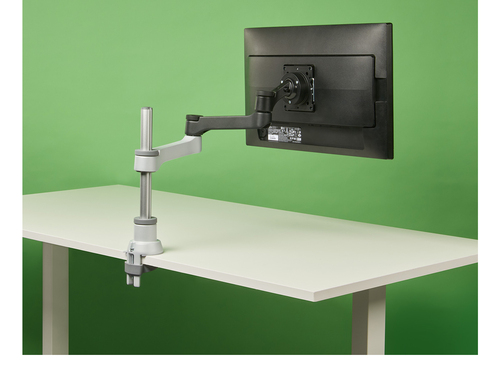
R-Go Tools Monitor arm R-Go Zepher Single, fully adjustable, 0-8 Kg load capacity, 100% circular, black
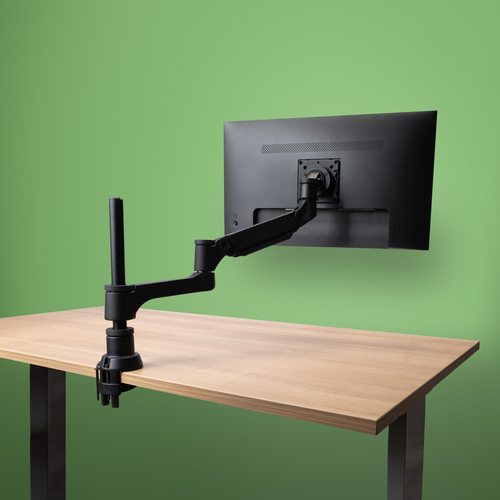
R-Go Tools Monitor arm R-Go Caparo Single, fully adjustable with gas spring, 3-9 kg load capacity, 100% circular, black
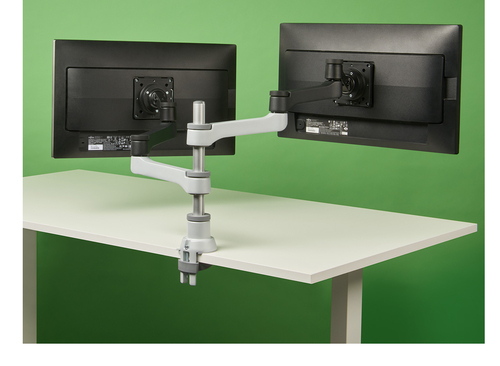
R-Go Tools Monitor arm R-Go Zepher Dual, for two monitors, fully adjustable, 0
8 kg load capacity, 100% circular, black