EIZO CuratOR EX3242-3D computer monitor 81.3 cm (32") 3840 x 2160 pixels 4K Ultra HD LCD Touchscreen White
- Screen: 81.3 cm (32"), 3840 x 2160 pixels, IPS, Flat
- Refresh rate: 20 ms response time
- Brightness: 850 cd/m²
- Ports: 1 × HDMI, 2 × DisplayPort
- Stand: VESA 100 x 100 mm
- Colour: White
Where to buy
We're not tracking prices for this product yet. Check current prices directly at:
We may earn a commission when you buy through links on this page — at no extra cost to you. Learn more
About this product
A 32-inch widescreen 3D surgical monitor with 4K UHD (3840 x 2160 pixels) for faithful reproducing stereoscopic images for endoscopy, microsurgery, and other high-precision procedures.
4K 3D Surgical Display with High Visibility
This monitor faithfully reproduces stereoscopic images in 4K UHD resolution (3840 x 2160) at a high brightness of up to 850 cd/m², achieving both detail and depth for endoscopy and microsurgery.
Wide Color Gamut for Distinguishing Tones
During procedures, the operating surgeon needs to be able to differentiate between varying color tones. The monitor supports the BT.2020 4K video color standard to ensure that subtle differences between shades of reds and yellows captured by BT.2020-supported cameras are distinguishable on the screen.
HDR Compatibility
HDR (High Dynamic Range) is a range that approximates the human perception of color and light as content is shown on a display device. The monitor is equipped with the perceptual quantization (PQ) curve and hybrid log-gamma (HLG) for supporting HDR. This ensures images from HDR-supported endoscope cameras are displayed without crushing blacks and more closely resemble the human visual system.
Fully Flat Design
Operating rooms contain various medical devices that are arranged according to the type of surgery. Safe handling and a sterile environment play a major role. EIZO's surgical monitors adopt a flat design with rounded corners that promotes a safe environment and easy cleaning and disinfection. Furthermore, the front is covered with a fully flat protective glass with IP45 for protection against foreign material and splashes (the whole monitor has an IP32 rating).
Cable Cover for Safety and Hygiene
With the attached cable cover, cables can be stored neatly out of sight, increasing safety and hygiene.
High Durability
The monitor has protective glass with a hardness of 9H, making it resistant to impacts. Furthermore, the monitor is equipped with optical bonding, which removes the layer of air between the LCD panel and glass. This ensures foreign materials such as dust and moisture cannot damage the LCD panel.
Reduced Reflections
Reflections on the screen of LCD monitors are caused when external light hits the screen and reflects off of the protective glass and layer of air at different refractive indices. Optical bonding removes the layer of air in order to lower the difference of refractive indices. This softens the reflections and produces a clear, highly visible image without affecting contrast.
Condensation Prevention
Optical bonding prevents condensation from forming between the LCD panel and protective glass. This allows the monitor to maintain high visibility in harsh environments.
Various 3D Signal Format Support
The monitor supports Side by Side, Line by Line, Top and Bottom, and Simulcast (SIMUL) 3D signal formats.
Connectivity with a Wide Range of Devices
With BNC (12G-SDI), and DisplayPort or HDMI, 4K UHD images are displayed at 60 frames per second with a single cable over various modalities. When connected via BNC (12G-SDI), stable transmission is achieved even over long distances of 30 meters. In addition, the monitor is equipped with two BNC (12G-SDI), enabling connection to a wide range of devices, such as a 4K/3D microscope camera that can display clearly in Simulcast (SIMUL) format.
Output Images Directly to Multiple Monitors
The monitor is also equipped with BNC (12G-SDI), DisplayPort, and DVI output terminals so input video can be passed through and output directly to the next monitor.
The same image is displayed on multiple monitors making information sharing among medical staff smooth in the operating room, while alleviating excess cabling.
3D-Mode: 180° Rotation and Mirroring
Regardless of the orientation of the endoscopic camera, you can rotate the displayed 3D image by 180° or mirror it to find the perfect operating angle. This is suitable for matching the image with the line of sight of surrounding assistants and surgeons, improving convenience in the operating room.
3D-mode: Parallax Adjustment
With the parallax adjustment function, you can adjust 3D images horizontally so that it displays a natural sense of depth.
View Two Signals on One Screen
Two different types of signal sources can be viewed simultaneously on one monitor side by side using the PbyP (Picture-by-Picture) or one displayed within an inset window over the other with the PinP (Picture-in-Picture) function. This is useful in cases where vitals or ultrasound endoscopes need to be monitored simultaneously in addition to surgical images.
Adjust Screens Individually
When displaying two signal sources side by side on the same screen, each image's display mode (gamma 1.8 - 2.6 or DICOM Preset Mode) can be adjusted independently of the other image. This is useful for viewing two different modalities simultaneously under the correct display conditions (e.g. endoscope, CT, MRI).
Fail-Safe Signal Display
The Auto Input Detection function automatically switches to another connected input port if the selected video signal is no longer detected.
This provides a fail-safe in the case that the video signal's input is disrupted due to a system error or other external interference.
Lightweight, Anti-Fog 3D Glasses for Clear Vision
The supplied 3D polarizing glasses do not require batteries for operation and are lightweight. This makes them perfect for long surgeries where heavy, battery-operated glasses may fail or become uncomfortable. Furthermore, the glasses have an anti-fog coating to maintain clear vision even when wearing a surgical mask.
Safe and Stable Video Connection
Typically HDMI cables cannot be locked into a terminal but this monitor contains a specialized locking mechanism on its side specifically for HDMI. This ensures all cables can be locked onto the monitor for consistent and stable connection.
Specifications
Key specifications
- Display diagonalSize of the display for this product, measured diagonally, usually in inches.
- 81.3 cm (32")
- Display resolutionThe number of distinct pixels in each dimension that can be displayed. It is usually quoted as width × height, with the units in pixels: for example, "1024 × 768" means the width is 1024 pixels and the height is 768 pixels. The higher the number of pixels, the sharper the image.
- 3840 x 2160 pixels
- Panel typeThe technology used to manufacture the panel, such as AMOLED or AH-IPS.
- IPS
- Screen shapeDescribes the physical curvature of the display panel, such as whether it is flat or curved.
- Flat
- Response timeThe response time is the time difference between the moment that a source (for example a video card) sends a signal and that equipment (for example a monitor) receives or display the signal. (Used abbreviations: R/F = Rise and Fall.)
- 20 ms
- Display brightness (typical)Display brightness, measured by its Luminance, presented as a figure in nits. Typical brightness ratings for monitors range from 250 to 350 nits with a target value of between 80 to 120 nits being suitable for most displays in a normal viewing environment.
- 850 cd/m²
- HDMI ports quantityThe number of sockets (ports) for HDMI connections. HDMI (High-Definition Multimedia Interface) is a compact audio/video interface for transferring uncompressed video data and compressed/uncompressed digital audio data from a HDMI-compliant device ("the source device") to a compatible computer monitor, video projector, digital television, or digital audio device. HDMI is a digital replacement for…
- 1
- DisplayPorts quantityNumber of DisplayPorts. A DisplayPort is a digital display interface developed by the Video Electronics Standards Association (VESA). The interface is primarily used to connect a video source to a display device such as a computer monitor, though it can also be used to carry audio, USB, and other forms of data.
- 2
- Panel mounting interfaceThe product can be used wih VESA mounting interfaces.
- 100 x 100 mm
- Product colourThe colour e.g. red, blue, green, black, white.
- White
Show all 57 specificationsShow key specifications only
Design
- VESA mountingIndicates whether the product supports the VESA mounting standard for attachment to compatible arms, brackets, or wall mounts.
- Yes
- Market positioningUnder which category can the device be positioned in the market, e.g. camera phone.
- Medical
- Product colourThe colour e.g. red, blue, green, black, white.
- White
- International Protection (IP) codeThe IP code classifies and rates the degree of protection provided against the intrusion (including body parts such as hands and fingers), dust, accidental contact, and water by mechanical casings and electrical enclosures. It is published by the International Electrotechnical Commission (IEC). The digits (characteristic numerals) indicate conformity with the conditions summarized in the tables b…
- IP45
- Panel mounting interfaceThe product can be used wih VESA mounting interfaces.
- 100 x 100 mm
Ports & interfaces
- Built-in USB hubWhether or not the device features a USB hub to connect more than one other device via USB.
- No
- DVI-D ports quantityThis is the amount of DVI-I interfaces. Digital Visual Interface (DVI) is a video display interface developed by the Digital Display Working Group (DDWG). The digital interface is used to connect a video source to a display device, such as a computer monitor. DVI-D means DVI digital, which means it can only support digital, but not analog.
- 2
- HDMIHDMI (High-Definition Multimedia Interface) is a compact audio/video interface for transferring uncompressed video data and compressed/uncompressed digital audio data from a HDMI-compliant device ("the source device") to a compatible computer monitor, video projector, digital television, or digital audio device. HDMI is a digital replacement for existing analog video standards.
- Yes
- HDMI ports quantityThe number of sockets (ports) for HDMI connections. HDMI (High-Definition Multimedia Interface) is a compact audio/video interface for transferring uncompressed video data and compressed/uncompressed digital audio data from a HDMI-compliant device ("the source device") to a compatible computer monitor, video projector, digital television, or digital audio device. HDMI is a digital replacement for…
- 1
- DisplayPorts quantityNumber of DisplayPorts. A DisplayPort is a digital display interface developed by the Video Electronics Standards Association (VESA). The interface is primarily used to connect a video source to a display device such as a computer monitor, though it can also be used to carry audio, USB, and other forms of data.
- 2
- Headphone outThe socket for connecting headphones to the device.
- No
- HDCPHigh-bandwidth Digital Content Protection (HDCP) is a form of digital copy protection to prevent copying of digital audio and video content as it travels across connections.
- Yes
- BNC input portsPorts (sockets) to connect BNC inputs. The BNC connector (Bayonet Neill–Concelman) is a miniature quick connect/disconnect RF connector used for coaxial cable.
- 1
Audio
- Built-in speaker(s)The device contains speaker(s) to produce sound.
- No
Multimedia
- Built-in cameraThe product has an integrated camera.
- No
Performance
- NVIDIA G-SYNCIndicates whether the product supports NVIDIA G-SYNC technology to synchronize the display refresh rate with the GPU to eliminate screen tearing.
- No
- AMD FreeSyncThe product includes AMD Freesync Technology for the dynamic synchronization of the graphic card and the monitor in order to avoid screen tearing.
- No
- High Dynamic Range (HDR) supportedIndicates whether the device supports High Dynamic Range for improved contrast and a wider range of colours and luminosity.
- Yes
Display
- Display diagonalSize of the display for this product, measured diagonally, usually in inches.
- 81.3 cm (32")
- Display resolutionThe number of distinct pixels in each dimension that can be displayed. It is usually quoted as width × height, with the units in pixels: for example, "1024 × 768" means the width is 1024 pixels and the height is 768 pixels. The higher the number of pixels, the sharper the image.
- 3840 x 2160 pixels
- Native aspect ratioThe aspect ratio is the ratio of the width of an image to its height. The native aspect ratio is the one which the projector/display is particularly designed for. Images shown in native aspect ratio will utilize the entire resolution of the display and achieve maximum brightness. Images shown in other than native aspect ratio will always have less resolution and less brightness than images shown…
- 16:9
- Display technologyThe technology used in the display e.g. plasma, LED.
- LCD
- TouchscreenA screen of a laptop, smartphone, etc., that responds to touch so you can control the interface using your fingers.
- Yes
- HD typeType of supported High Definition (e.g. Full HD, 4K Ultra HD).
- 4K Ultra HD
- Panel typeThe technology used to manufacture the panel, such as AMOLED or AH-IPS.
- IPS
- LED backlightA backlight is a form of illumination used in liquid crystal displays (LCDs). One type of backlight is made by LEDs, which can be either white or RGB (red green blue). White LEDs are used most often in notebooks and desktop screens, and in virtually all mobile LCD screens. RGB LEDs for backlighting are found in high-end color proofing displays such as HP DreamColor LP2480zx monitor or selected HP…
- Yes
- Display brightness (typical)Display brightness, measured by its Luminance, presented as a figure in nits. Typical brightness ratings for monitors range from 250 to 350 nits with a target value of between 80 to 120 nits being suitable for most displays in a normal viewing environment.
- 850 cd/m²
- Response timeThe response time is the time difference between the moment that a source (for example a video card) sends a signal and that equipment (for example a monitor) receives or display the signal. (Used abbreviations: R/F = Rise and Fall.)
- 20 ms
- Screen shapeDescribes the physical curvature of the display panel, such as whether it is flat or curved.
- Flat
- Contrast ratio (typical)The difference in light intensity between the brightest white and the darkest black.
- 1500:1
- Viewing angle, horizontalMaximum horizontal angle at which a display can be viewed with acceptable visual performance.
- 178°
- Viewing angle, verticalMaximum vertical angle at which a display can be viewed with acceptable visual performance.
- 178°
- Display number of coloursThe total number of distinct colours that the device is capable of displaying (e.g. 1.07 billion colours).
- 16.7 million colours
- Pixel pitchThis is the parameter of a picture tube, which specifies the shortest distance between two dots of the same colour. The principle is: the smaller the dot pitch, the better sharpness of image.
- 0.185 x 0.185 mm
- Horizontal scan rangeThe range of horizontal frequencies the device can process and display, measured in kHz.
- 18 - 136 kHz
- Vertical scan rangeThe range of vertical frequencies the device can process and display, measured in hertz (Hz).
- 23 - 71 Hz
- Viewable size, horizontalThe viewable size is often somewhat smaller than the actual size of a monitor, because there is a border around the image.
- 70.8 cm
- Viewable size, verticalThe height of the screen area that can actually display an image, measured in millimetres or inches.
- 39.9 cm
- Display diagonal (metric)This is the size of the display screen, measured diagonally.
- 81.3 cm
- Surface hardnessThe resistance of the surface to scratches and abrasion, typically measured on the Mohs or pencil hardness scale (e.g., 9H).
- 9H
- Colour depthThe number of bits used to represent the colour of a single pixel, which determines the total number of possible colours that can be displayed.
- 10 bit
Other features
- Picture-by-Picture (PbP)Indicates whether the screen can display content from two different input sources side-by-side simultaneously.
- Yes
- 3DThe device can be used with 3D technology.
- Yes
Certificates
- CertificationSpecifies the official standards, safety approvals, or regulatory certifications the product has received.
- CE / UKCA (Medical Device), ANSI/AAMI ES60601-1, CAN/CSA-C22.2 No. 60601-1, IEC/EN60601-1, VCCI-A, FCC-A, CAN ICES-3(A), RCM, RoHS, China RoHS, WEEE, CCC, EAC, BIS
Packaging content
- Remote control includedComponent of an electronics device, most commonly a television set, DVD player and home theater systems originally used for operating the device wirelessly from a short line-of-sight distance.
- Yes
Weight & dimensions
- Width (with stand)The total horizontal measurement of the product when the supporting stand is attached, measured in millimetres.
- 760.8 mm
- Depth (with stand)The measurement of the product from front to back when any supporting accessory or base is attached, expressed in millimetres or centimetres.
- 91.6 mm
- Height (with stand)The total vertical measurement of the product including its base or support structure, expressed in millimetres or centimetres.
- 463.8 mm
- Weight (with stand)The total mass of the unit including its supporting base, measured in kilograms or grams.
- 13.6 kg
Power
- Energy efficiency class (SDR)The energy efficiency rating of the device when operating in Standard Dynamic Range (SDR) mode, categorized from A to G.
- Not available
- Energy efficiency class (HDR)The energy efficiency rating of the device when High Dynamic Range (HDR) mode is active, ranging from A to G.
- Not available
- Power consumption (max)The maximum amount of power used by the device.
- 205 W
- AC input voltageThe voltage of the AC electricity that is inputted into the product.
- 100 - 240 V
- AC input frequencyThe range of alternating current frequencies the device can accept from the power source, measured in hertz (e.g., 45 - 65).
- 50/60 Hz
Ergonomics
- Height adjustmentThe part of the device that can be adjusted to change the height.
- No
Management features
- Picture-in-PicturePicture-in-picture (PiP) is a feature of some television receivers and similar devices. One program (channel) is displayed on the full TV screen at the same time as one or more other programs are displayed in inset windows. Sound is usually from the main program only.
- Yes
- On Screen Display (OSD)Indicates whether the device can display a graphical menu or information directly on the screen for adjusting settings and viewing status.
- Yes
Database Right data-sheet 2026 Icecat. All rights reserved. Provided “as is”, without warranty — check details with the store before buying.
Price history (90 days, best daily price)
Price history is still being collected for this product — check back soon.
Alternative models

EIZO ColorEdge CS2400S
computer monitor 61.2 cm (24.1") 1920 x 1200 pixels WUXGA LCD Black

EIZO CuratOR
computer monitor 81.3 cm (32") 3840 x 2160 pixels 4K Ultra HD LCD Touchscreen White

EIZO RadiForce RX270
computer monitor 54.1 cm (21.3") 1200 x 1600 pixels UXGA LCD Black, White

EIZO DuraVision FDF2382WT-A
computer monitor 58.4 cm (23") 1920 x 1080 pixels Full HD LED Touchscreen Tabletop Black

EIZO ColorEdge CS2400S-LE
computer monitor 61.2 cm (24.1") 1920 x 1200 pixels WUXGA LED Black

EIZO RadiForce MX243W
computer monitor 61.2 cm (24.1") 1920 x 1200 pixels WUXGA LCD Black
Accessories & compatible products
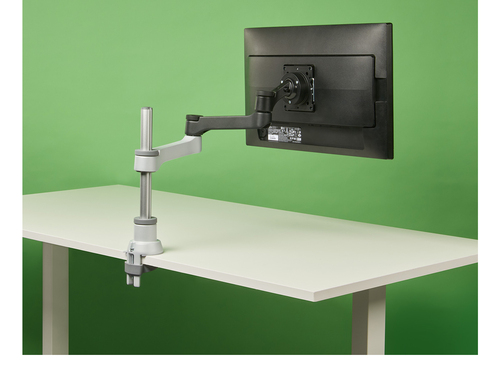
R-Go Tools Monitor arm R-Go Zepher Single, fully adjustable, 0-8 Kg load capacity, 100% circular, black
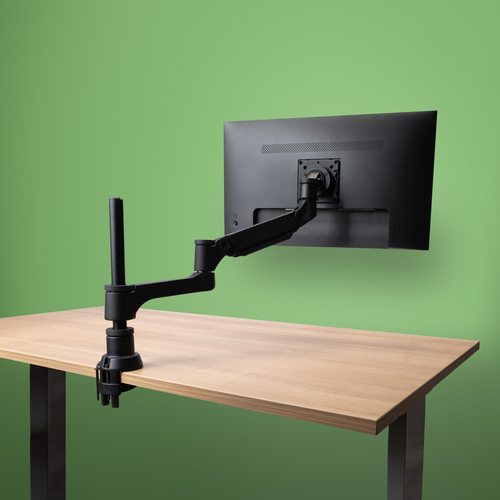
R-Go Tools Monitor arm R-Go Caparo Single, fully adjustable with gas spring, 3-9 kg load capacity, 100% circular, black
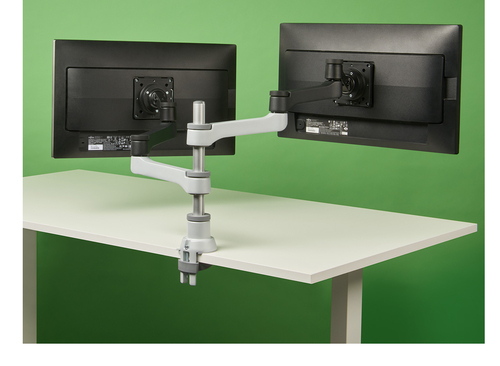
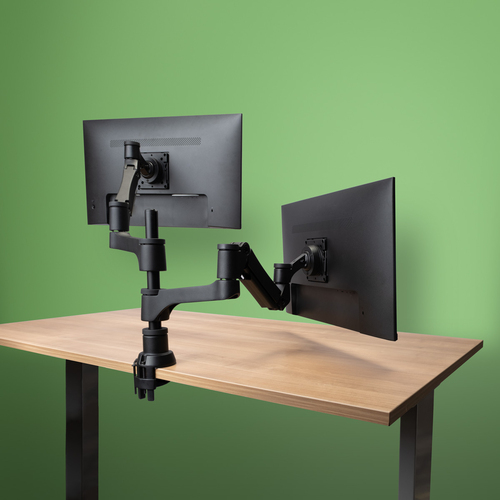
R-Go Tools Monitor arm R-Go Zepher Dual, for two monitors, fully adjustable, 0
8 kg load capacity, 100% circular, black