EIZO RadiForce GX560-MD computer monitor 54.1 cm (21.3") 2048 x 2560 pixels LCD Black
- Ekran: 54,1 cm (21,3"), 2048 x 2560 px, IPS, Płaski
- Jasność: 2500 cd/m²
- Złącza: 4 × DisplayPort
- Podstawa: regulacja wysokości, regulacja pochylenia, VESA 100 x 100 mm
- Dodatki: hub USB
- Kolor: Czarny
Gdzie kupić
Nie śledzimy jeszcze cen tego produktu. Sprawdź aktualne ceny bezpośrednio w sklepach:
Możemy otrzymać prowizję, gdy kupujesz przez linki na tej stronie — bez dodatkowych kosztów dla Ciebie. Dowiedz się więcej
O produkcie
Brightness and contrast of the GX560 MammoDuo allow deep black tones and a reliable DICOM luminance characteristic curve. Two times 5 megapixels make the MammoDuo perfect for displaying mammography and breast tomosynthesis images that are true to the original source. The GX560-MD has a unique double stand that holds two monitors at the same time.
Excellent image quality for ultra-sharp details
Thanks to a high resolution of two times 5 Megapixels (greyscale), an excellent contrast ratio of 1700:1 and stable brightness of up to 2500 cd/m2, the monitor offers excellent image quality. Diagnosis in digital mammography depends on the display of the finest details. A high resolution obtains key details and prevents lower image quality with a mosaic effect, which can arise with lower resolutions. The details are presented in a differentiated manner, no matter from which viewing angle the monitor is viewed. This is a great advantage when several doctors are looking at the same screen.
A new level of observation, without disruptive factors
With a bezel only 7.5 mm in width – the world’s smallest bezel width for 5-megapixel monitors – the distance between the display areas of the two monitors is merely 15 mm. Moreover, the panel frame is only 2.5 mm above the screen, which means it sits nearly flush with the screen. This means viewers’ vision goes undisrupted when looking back and forth between the monitors.
Space-saving arrangement
The GX560-MD saves a great deal of space. This solution saves 67 mm horizontally, 36 mm vertically, and 20.5 mm in depth, compared to conventional structures built from individual monitors with this resolution arranged next to one another. In summary, this means a 22 % reduction of the total required surface. This frees up valuable space to make for a roomier working environment.
Easily Adjustable
You can conveniently adjust the height, tilt, and rotation of the monitors with the dual stand, without creating gaps between the monitors.
Perfectly Designed for Diagnostic Use
Narrow black frontal bezels make this device ideal for use in dark environments. They make it easy to visually concentrate on the display. Meanwhile, a white bezel at the sides of the monitors creates a fresh, clean look.
Evolve your image reading: the Work-and-Flow technology
Radiologists face an increasing amount of information on their screens, as modalities become increasingly digitalized. But imaging procedures now no longer need to be so complex, thanks to the unique Work-and-Flow technology from EIZO, featuring new functions developed specially to meet the requirements of radiologists. The RadiForce GX560-MD and RadiCS-LE software solution enable you to benefit from the Work-and-Flow functions.
Point-and-Focus: all eyes on the analysis
The Point-and-Focus function allows you to select and focus on relevant image areas quickly using your mouse or keyboard. By adjusting the brightness and greyscale, the interesting parts of an image are highlighted by dimming the surrounding areas.
Switch-and-Go: just one keyboard and mouse for two systems
Switch-and-Go makes it possible to work using just one keyboard and mouse at diagnostic imaging stations that make use of two computers. You can switch between the two systems simply by moving your cursor from one screen to the other. This ensures greater work efficiency and allows you to maintain a clear overview of your workstation.
Consistently secure image quality
The optional EIZO RadiCS software to secure image quality enables extensive maintenance and testing of monitors and includes calibration, acceptance and constancy testing, and the archiving of all areas. If you are working on multiple stations, the use of the RadiNET Pro is recommended. This can be used to centrally control the calibration of all monitors, including data history. This saves you a significant amount of time and ensures consistently high image quality across the entire setup. The basic version RadiCS LE is already included with the RadiForce GX, RX, and MX/MS models.
Correct rendering of grey tones
The grey tone rendering is controlled by an internal 14 bit look-up table (LUT), enabling a pallet of 16369 tones of grey. This makes calibration (e.g. DICOM characteristic curve) and control of the luminance distribution possible without losses. Up to 1024 tones of grey can be displayed simultaneously with a suitable DisplayPort signal.
Uniform brightness over the entire screen
The monitor shines thanks to its uniform illumination. This is down to the Digital Uniformity Equalizer (DUE), which corrects imbalances automatically, pixel by pixel. Grey tones of radiological and other medical images are correctly rendered over the entire display. This is vital for diagnostics.
Balanced image quality thanks to an integrated front sensor
The precise calibration of white point and tone value characteristic curve is provided by an integrated front sensor (IFS). This measures the brightness and greyscales and calibrates the monitor autonomously according to the DICOM standard. The sensor works automatically, without restricting the field of vision of the monitor. You can save the costs, time, and effort of maintenance and rely on a consistently balanced image quality.
Secure image quality thanks to AAPM/Euref/DIN compliance
The display properties, in particular brightness and contrast, are suited to the creation of image rendering systems compliant with DIN 6868-157. The DICOM GSDF characteristic is already precisely configured in the factory. This means that greyscales are consistent, which is vital for diagnostics.
FDA 510(k) validation.
The RadiForce GX560-MD is the ideal solution for visualising the finest details on breast images. The very high contrast of the monitor shows even the smallest structures. The US administration for Food and Drugs granted its FDA 510(k) validation for breast tomosynthesis and mammography.
Dokumenty
- BroszuraProduct Brochure ↗
Specyfikacja
Najważniejsze parametry
- Długość przekątnej ekranuWielkość wyświetlacza tego produktu; wyrażone w calach, po przekątnej
- 54,1 cm (21,3")
- RozdzielczośćRozdzielczość wyświetlacza dla systemu.
- 2048 x 2560 px
- Typ ekranu
- IPS
- Kształt ekranu
- Płaski
- Jasność wyświetlacza (typowa)
- 2500 cd/m²
- Ilość DisplayPortLiczba portów DisplayPort. DisplayPort to uniwersalny interfejs cyfrowy opracowany przez VESA (Video Electronics Standards Association). Interfejs wykorzystywany jest do podłączenia źródła wideo do wyświetlacza np. komputera, ale może być też używany do przesyłania dźwięku, danych USB i innych danych.
- 4
- Opcja regulacji wysokościElement urządzenia umożliwiający regulację wysokości.
- Tak
- Regulacja pochyleniaNachylenie - kąt urządzenia względem pionu - można regulować.
- Tak
- Interfejs do montażu paneluProduktu można używać z uchwytami w standardzie VESA.
- 100 x 100 mm
- Wbudowany USB hub
- Tak
- Kolor produktuKolor, np. czerwony, niebieski, zielony, czarny, biały.
- Czarny
Pokaż wszystkie parametry (59)Pokaż tylko najważniejsze parametry
Konstrukcja
- Standard VESA
- Tak
- Pozycjonowanie na rynku
- Medyczna
- Kolor produktuKolor, np. czerwony, niebieski, zielony, czarny, biały.
- Czarny
- Interfejs do montażu paneluProduktu można używać z uchwytami w standardzie VESA.
- 100 x 100 mm
Porty i interfejsy
- Wbudowany USB hub
- Tak
- Rodzaj portuUSB upstream
- USB Typu B
- Liczba portów USB Typu-B (ilość)
- 2
- Ilość portów USB Typu A downstream
- 2
- Port DVIDigital Visual Interface (DVI) to interfejs wyświetlacza wideo slużący do podłączania źródła wideo do urządzenia wyświetlającego, takiego jak monitor komputerowy (standard złącza pomiędzy kartą graficzną a monitorem komputera).
- Tak
- Ilość portów DVI-DLiczba interfejsów DVI-I. DVI (Digital Visual Interface) to standard złącza pomiędzy kartą graficzną a monitorem komputera opracowany przez grupę Digital Display Working Group (DDWG). DVI-I jest zintegrowane z DVI, dlatego może przesyłać zarówno dane cyfrowe jak i analogowe.
- 2
- HDMIHDMI (High-Definition Multimedia Interface) to interfejs służący do przesyłania cyfrowego, nieskompresowanego sygnału audio i wideo z urządzenia zgodnego z HDMI (urządzenie źródłowe) do kompatybilnego monitora komputerowego, projektora, telewizji cyfrowej lub cyfrowego urządzenia audio. HDMI jest cyfrowym zastępstwem dla analogowych standardów wideo.
- Nie
- Ilość DisplayPortLiczba portów DisplayPort. DisplayPort to uniwersalny interfejs cyfrowy opracowany przez VESA (Video Electronics Standards Association). Interfejs wykorzystywany jest do podłączenia źródła wideo do wyświetlacza np. komputera, ale może być też używany do przesyłania dźwięku, danych USB i innych danych.
- 4
Dźwięk
- Wbudowane głośnikiUrządzenie posiada wbudowany głośnik.
- Nie
Multimedia
- Wbudowana kamera/aparatProdukt ma wbudowany aparat fotograficzny.
- Nie
Wydajność
- NVIDIA G-SYNC
- Nie
- AMD FreeSync
- Nie
Wyświetlacz
- Długość przekątnej ekranuWielkość wyświetlacza tego produktu; wyrażone w calach, po przekątnej
- 54,1 cm (21,3")
- RozdzielczośćRozdzielczość wyświetlacza dla systemu.
- 2048 x 2560 px
- Natywne proporcje obrazuProporcje obrazu to stosunek jego szerokości do wysokości. Natywny format obrazu to taki format, który pierwotnie był przeznaczony dla danego urządzenia. Obrazy wyświetlane w tym formacie wykorzystują maksymalną rozdzielczość i uzyskują maksymalną jasność. Obrazy wyświetlane w innych formatach niż natywny zawsze będą posiadały gorszą rozdzielczość i mniejszą jasność.
- 4:5
- Technologia wyświetlaczaTechnologia wykorzystana w wyświetlaczu, np. plazma, LED.
- LCD
- Ekran dotykowyEkran laptopa, smartfona itp., który reaguje na dotyk, dzięki czemu można sterować urządzeniem za pomocą palców.
- Nie
- Typ ekranu
- IPS
- Typ podświetlacza
- LED
- Jasność wyświetlacza (typowa)
- 2500 cd/m²
- Kształt ekranu
- Płaski
- Współczynnik kontrastu (typowy)Różnica w natężeniu światła pomiędzy najjaśniejszym białym i najciemniejszym czarnym.
- 1700:1
- Kąt widzenia (poziomy)Maksymalny poziomy kąt widzenia, pod którym obraz jest zadowalająco widoczny.
- 178°
- Kąt widzenia (pionowy)Maksymalny pionowy kąt widzenia, pod którym obraz jest zadowalająco widoczny.
- 178°
- Kolory wyświetlacza
- Monochromatyczne
- Rozstaw pikseliParametr w tubie obrazu oznaczający najkrótszy dystans pomiędzy dwoma punktami o tym samym kolorze. W założeniu, im mniejsza plamka tym lepsza ostrość obrazu.
- 0,165 x 0,165 mm
- Rozmiar obrazu (w poziomie)Podgląd jest często mniejszy niż rozmiar ekranu z powodu ramki w okół zdjęcia.
- 33,8 cm
- Rozmiar obrazu (w pionie)
- 42,2 cm
- Częstotliwość odświeżania poziomego
- 31 - 135 kHz
- Częstotliwość odświeżania pionowego
- 23 - 61 Hz
- Długość przekątnej ekranu (cm)Rozmiar ekranu, wyrażony długością przekątnej.
- 54,1 cm
- Głębia kolorów
- 14 bit
Certyfikaty
- Certyfikaty
- CE (Medical Device Directive), EN 60601-1, ANSI/AAMI ES60601-1, CSA C22.2 Nr. 601-1, IEC60601-1, VCCI-B, FCC-B, CAN ICES-3 (B), RCM, RoHS, Chiny RoHS, WEEE, CCC, EAC
Zawartość opakowania
- Przewody
- Prąd przemienny, DisplayPort, USB
Waga i rozmiary
- Szerokość urządzenia (z podstawą)
- 709 mm
- Głębokość urządzenia (z podstawą)
- 225 mm
- Wysokość urządzenia (z podstawą)
- 476 mm
- Waga (z podstawą)
- 17,1 kg
- Waga (bez podstawy)
- 8 kg
Moc
- Pobór mocyIlość energii zużywanej przez ten model, wyrażona w watach. Typowe wartości podawane przez producentów to zużycie energii w trybie spoczynku, trybie czuwania / zawieszenia, typowego zastosowania, maksymalnego użytkowania.
- 28 W
- Pobór mocy w trybie czuwaniaIlość zużywanego prądu w trybie czuwania.
- 1 W
- Maksymalne zużycie mocyMaksymalna ilość mocy, jaką zużywa urządzenie.
- 79 W
- Tryb wyłączenia
- 0 W
- Napięcie wejściowe ACNapięcie prądu elektrycznego.
- 100 - 240 V
- Częstotliwość wejściowa AC
- 50 - 60 Hz
Ergonomia
- Opcja regulacji wysokościElement urządzenia umożliwiający regulację wysokości.
- Tak
- Regulowana wysokość (max)
- 9 cm
- Oś obrotu
- Tak
- Kąt obrotu wokół osi
- 0 - 90°
- Obrotowe
- Tak
- Obracany
- -70 - 70°
- Regulacja pochyleniaNachylenie - kąt urządzenia względem pionu - można regulować.
- Tak
- Zakres kąta nachylenia
- -5 - 25°
- Języki menu ekranowego
- Chińska uproszczona, Niemiecki, Angielski, Hiszpański, Francuska, Włoski, Japoński, Szwedzki
Cechy zarządzania
- OSD
- Tak
Database Right data-sheet 2026 Icecat. All rights reserved. Udostępniane „tak jak są”, bez gwarancji — przed zakupem sprawdź szczegóły w sklepie.
Historia cen (90 dni, najlepsza cena dnia)
Wciąż zbieramy historię cen tego produktu — zajrzyj wkrótce.
Alternatywne modele

EIZO FlexScan EV2430 Swiss Edition
computer monitor 61.2 cm (24.1") 1920 x 1200 pixels WUXGA LED Black

EIZO RadiForce RX360
computer monitor 54.1 cm (21.3") 1536 x 2048 pixels LED Black

EIZO DuraVision FDF2382WT-GY
computer monitor 58.4 cm (23") 1920 x 1080 pixels Full HD LED Touchscreen Tabletop Grey

EIZO FlexScan EV2457-WT
computer monitor 61.2 cm (24.1") 1920 x 1200 pixels WUXGA LED White

EIZO DuraVision FDS1903-ABK
computer monitor 48.3 cm (19") 1280 x 1024 pixels SXGA LED Black

EIZO FlexScan EV2457-BK
computer monitor 61.2 cm (24.1") 1920 x 1200 pixels WUXGA LED Black
Akcesoria i produkty kompatybilne
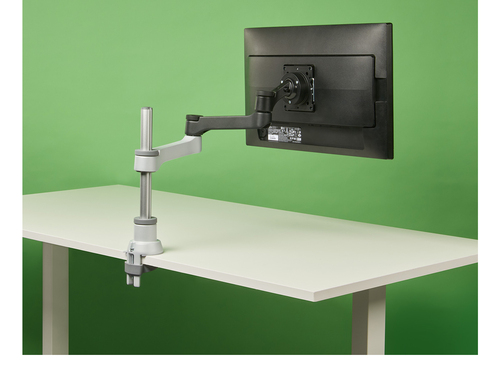
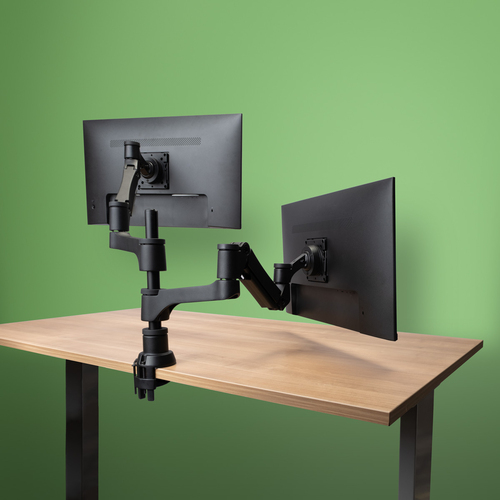
R-Go Tools Monitor arm R-Go Zepher Single, fully adjustable, 0-8 Kg load capacity, 100% circular, black
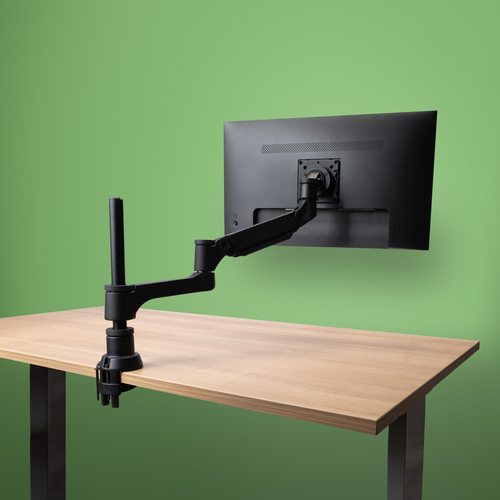
R-Go Tools Monitor arm R-Go Caparo Single, fully adjustable with gas spring, 3-9 kg load capacity, 100% circular, black
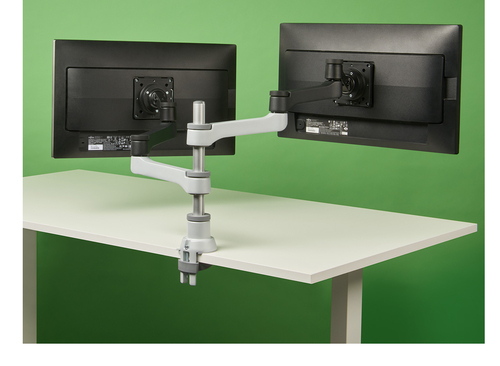
R-Go Tools Monitor arm R-Go Zepher Dual, for two monitors, fully adjustable, 0
8 kg load capacity, 100% circular, black