
QA_test+EN QA_Super_series FFFFF ENS EN QA_TEST_MEGA_HIT(DONT_TOUCH) !@#$%^&*()_?|"'/\/\ ТЕСТ
- Processor: AMD Athlon 210U, 10 cores
- Display: 2.54 m (100"), 100 x 100 pixels, AH-IPS, 1 Hz, touchscreen
- Memory: 3, 1, 1, 1 DDR-SDRAM
- Storage: 11 GB Fusion Drive
- Graphics: AMD FirePro M2000
- Operating system: Android 2.1
- Keyboard: International EER
- Colour: Burgundy, Cyan
Where to buy
We're not tracking prices for this product yet. Check current prices directly at:
We may earn a commission when you buy through links on this page — at no extra cost to you. Learn more
About this product
MarketingText ENMarketing text
1 QA_TEST_MEGA_HIT(DONT_TOUCH) !@#$%^&*()_?|"'/\/\ ТЕСТ
2 QA_TEST_MEGA_HIT(DONT_TOUCH) !@#$%^&*()_?|"'/\/\ ТЕСТ
3 QA_TEST_MEGA_HIT(DONT_TOUCH) !@#$%^&*()_?|"'/\/\ ТЕСТ
4 QA_TEST_MEGA_HIT(DONT_TOUCH) !@#$%^&*()_?|"'/\/\ ТЕСТ
RTBTitle EN 1QA_TEST_MEGA_HIT(DONT_TOUCH) !@#$%^&*()_?|\"'/\\/\\ ТЕСТ
RTBBody EN 1QA_TEST_MEGA_HIT(DONT_TOUCH) !@#$%^&*()_?|\"'/\\/\\ ТЕСТ QA_TEST_MEGA_HIT(DONT_TOUCH) !@#$%^&*()_?|\"'/\\/\\ ТЕСТ QA_TEST_MEGA_HIT(DONT_TOUCH) !@#$%^&*()_?|\"'/\\/\\ ТЕСТ QA_TEST_MEGA_HIT(DONT_TOUCH) !@#$%^&*()_?|\"'/\\/\\ ТЕСТ
RTBTitle EN 2QA_TEST_MEGA_HIT(DONT_TOUCH) !@#$%^&*()_?|\"'/\\/\\ ТЕСТ
RTBBody EN 2QA_TEST_MEGA_HIT(DONT_TOUCH) !@#$%^&*()_?|\"'/\\/\\ ТЕСТ QA_TEST_MEGA_HIT(DONT_TOUCH) !@#$%^&*()_?|\"'/\\/\\ ТЕСТ QA_TEST_MEGA_HIT(DONT_TOUCH) !@#$%^&*()_?|\"'/\\/\\ ТЕСТ QA_TEST_MEGA_HIT(DONT_TOUCH) !@#$%^&*()_?|\"'/\\/\\ ТЕСТ
Videos & documents
VIDEO QA_TEST_MEGA_HIT(DONT_TOUCH) !@#$%^&*()_?|"'/\/\ ТЕСТ

- ManualUser manual ↗
- ManualUser manual ↗
- ManualUser manual ↗
- BrochureProduct Brochure ↗
- Safety data sheetSafety Data Sheet ↗
- Product information sheetEU Product Fiche ↗
Specifications
Key specifications
- Processor familyA family of processors is a group of processors produced by one company over a short period of time e.g. Intel Pentium processors.
- AMD Athlon
- Processor modelThe model number for the processor in a computer.
- 210U
- Processor coresThe number of central processing units ('cores') in a processor. Some processors have 1 core, others have 2 (e.g. Intel Core Duo) or more (e.g. the Intel Xeon E7-2850 has 10 cores).
- 10
- Display diagonalSize of the display for this product, measured diagonally, usually in inches.
- 2.54 m (100")
- Display resolutionThe number of distinct pixels in each dimension that can be displayed. It is usually quoted as width × height, with the units in pixels: for example, "1024 × 768" means the width is 1024 pixels and the height is 768 pixels. The higher the number of pixels, the sharper the image.
- 100 x 100 pixels
- Panel typeThe technology used to manufacture the panel, such as AMOLED or AH-IPS.
- AH-IPS
- Maximum refresh rateThe highest number of times per second the image is updated, measured in hertz (Hz).
- 1 Hz
- TouchscreenA screen of a laptop, smartphone, etc., that responds to touch so you can control the interface using your fingers.
- Yes
- Internal memoryThe amount of memory, usually measured in bytes (e.g. MB, GB), which is installed in the system's hardware.
- 3, 1, 1, 1
- Internal memory typeThe type of internal memory such as RAM, GDDR5.
- DDR-SDRAM
- Total storage capacityThe total amount of data that can be stored on the device.
- 11 GB
- Storage mediaUsed for the storage of data e.g. HDD (hard disk drive), SSD (solid-state drive).
- Fusion Drive
- Discrete graphics card modelA graphics adapter (often known as a video card) generates images for a display. A discrete graphics adapter plugs into the motherboard, and usually produces much better graphics than an integrated graphics adapter. There are various models of discrete graphics adapters.
- AMD FirePro M2000
- On-board graphics card model"Graphic adapter" is the hardware that produces images on a display. "On-board" means that the graphics adapter is intergrated inside the motherboard.
- Intel UHD Graphics 620
Show all 833 specificationsShow key specifications only
Weight & dimensions
- WeightWeight of the product without packaging (net weight). If possible, the net weight is given including standard accessories and supplies. Please note that sometimes the manufacturer leaves out the weight of accessories and/or supplies.
- 1 g
- WidthThe measurement or extent of something from side to side.
- 1 mm
- DepthThe distance from the front to the back of something.
- 11 mm
- HeightThe measurement of the product from head to foot or from base to top.
- 1 mm
- Height (front)The height of the frontside of the product.
- 1 mm
- Height (rear)Height of the backside of the product.
- 1 mm
- Width (imperial)The measurement of the product from side to side, expressed in inches.
- 3.12 m (123")
- Depth (imperial)The measurement of the product's distance from front to back, expressed in inches.
- 27.9 cm (11")
- Weight (tablet mode)The total mass of the device when configured in tablet mode, measured in g.
- 1 g
- Height (imperial)The vertical measurement of the product expressed in inches.
- 2.54 cm (1")
- Width (tablet mode)The horizontal measurement of the device when it is configured in tablet mode, measured in mm.
- 1 mm
- Height (front) (imperial)The vertical measurement of the product at its front edge, expressed in inches.
- 2.54 cm (1")
- Depth (tablet mode)The thickness of the device when it is folded or configured in tablet mode, measured in mm.
- 1.1 cm
- Height (rear) (imperial)The vertical measurement of the product at its back edge, expressed in inches.
- 2.54 cm (1")
- Height (tablet mode)The thickness of the device when it is folded or positioned in tablet mode, measured in mm.
- 1 mm
- CD/DVD weightThe weight of the integrated optical drive, measured in grams or kilograms.
- 1 g
Software
- Operating system installedType of operating system on a device e.g. IOS on Apple devices, Android for mobile devices.
- Android 2.1
- Operating system architectureThe way in which the operating system of a computer/smartphone (32-bit/64-bit) is set up.
- 32-bit
- Operating system languageThe available languages for the pre-installed system software (e.g., DEU for German or CHI (SIMPL) for Simplified Chinese).
- Italian
- Recovery operating systemThe version of the operating system used to restore the device to its original factory settings (e.g. Windows 10 Home).
- Windows 10
- Optional operating system installedThe specific version of the operating system that can be pre-installed on the device (e.g. Windows 8.1 Pro or Chrome OS).
- Chrome OS
- Optional operating system suppliedThe specific version of the operating system that can be selected as an alternative or additional installation (e.g. Windows 10 Pro).
- Windows 10 Enterprise
- Operating system versionThe version of the operating system used e.g. 4.1, 4.2 for Android.
- 11
- Drivers includedIndicates whether the necessary software drivers are provided in the package.
- Yes
- Pre-installed softwareList of pre-installed software for the product; including manufacturer; coined name and modules where applicable; or generic descriptor
- 1
- Trial softwareSpecifies the pre-installed software provided for a limited time to evaluate its functionality before purchase.
- 1
- Bundled softwareSoftware distributed with another product such as a piece of computer hardware or other electronic device, or a group of software packages which are sold together. A software suite is an example of bundled software, as is software which is pre-installed on a new computer.
- 1
Network
- Mobile network connectionIndicates whether the device has built-in hardware to connect to cellular data networks.
- Yes
- Wake-on-LAN readyIndicates whether the device can be turned on or woken up from a low-power state by a network message sent from another networked device.
- Y, 1
- Mobile network generationThe standard of cellular network technology supported by the device (e.g. 4G or 5G).
- 4G
- 2G standardsThe supported second-generation cellular network technologies used for data and voice transmission (e.g. GSM, GPRS, EDGE).
- GSM
- 3G standardsThe third-generation wireless communication technologies supported by the device (e.g. HSPA or EVDO).
- HSPA+
- 4G standardThe specific fourth-generation cellular network technology supported by the device (e.g., LTE or LTE-A).
- LTE
- Wi-FiPopular technology that allows an electronic device to exchange data or connect to the internet wirelessly using radio waves.
- Y, 1
- Integrated wireless LAN, type of network I/F chipSpecifies the manufacturer and model of the internal hardware component responsible for wireless network connectivity (e.g. Intel, Realtek).
- 1
- Networking featuresSpecifies the available connectivity options and network protocols supported by the device.
- 11
- Networking typeThe standard or technology used for network connectivity, such as Wi-Fi or Ethernet.
- 1
- Networking manufacturerThe brand responsible for the networking hardware components integrated into the device.
- 11
- Wireless complianceSpecifies the regulatory standards and certifications the wireless communication modules adhere to (e.g. FCC, CE).
- 1
- Wireless technologyTechnology that communicates with other devices without a physical connection e.g. radio, WiFi.
- 1, 11
- Wi-Fi standardsThe type of wireless local area network (LAN). It can be ad-hoc, where units in a network communicate peer-to-peer, or Infrastructure, where units communicate with each other via an access point A LAN interconnects computers in a small area e.g. home, school or office.
- Wi-Fi 5 (802.11ac)
- Wi-Fi data rate (max)The maximum theoretical speed at which data can be transmitted wirelessly, measured in Mbit/s.
- 54 Mbit/s
- WLAN controller modelThe specific model or chipset of the integrated wireless network adapter (e.g. AMD RZ608).
- Dell Dual Band Wireless-AC 1820, 1
- Ethernet LANAn Ethernet LAN (Local Area Network) interface is present, for a wired conection via a cable.
- Yes
- Ethernet LAN data ratesThe different speed levels of the Ethernet LAN connection.
- 10000,1 Mbit/s
- BluetoothBluetooth is a low-power radio technology developed to replace the cables and wires currently used to link or connect electronic devices such as personal computers, printers, and a wide variety of handheld devices including mobile phones. Because it uses radio-wave connectivity, a Bluetooth-enabled device has a constant, established connection to whatever browser it uses. This saves the user the…
- No
- Bluetooth versionThe type of bluetooth technology in the product e.g. Bluetooth Smart (v4.0).
- 1.0B
- Near Field Communication (NFC)Indicates whether the device supports short-range wireless connectivity for exchanging data between devices in close proximity.
- Yes
- WWANIndicates the availability of a wireless wide area network module for cellular data connectivity (e.g. Installed, Not installed, or Upgradable).
- Not installed
- WWAN controllerThe specific model or chipset of the integrated hardware that enables wireless wide area network connectivity for cellular data access.
- 11
- MIMOIndicates whether the device supports Multiple Input Multiple Output technology to increase wireless data throughput and stability.
- No
- MIMO typeThe specific implementation of Multiple Input Multiple Output technology used to manage simultaneous data streams (e.g., Multi User MIMO).
- Multi User MIMO
- Cabling technologyType of cable technology performance.
- 10/100/1000Base-T(X)
- Network connection typeThe type of network connection e.g. Ethernet, Wi-Fi.
- 1
- LAN controllerThe specific hardware chip or chipset that manages the network interface and handles data transmission (e.g. Intel I219-V).
- Intel I219-V, 1
- Supported network protocolsNetwork protocols tested as compatible with this product e.g. FTP,HTML, POP.
- 1
- 4G LTEIndicates whether the device supports 4G LTE cellular connectivity for remote access or failover.
- Yes
- SIM card supportIndicates whether the device is capable of reading or interfacing with a SIM card.
- Yes
- SIM card typeThe physical format or technology of the subscriber identity module required for network connectivity (e.g. NanoSIM, eSIM).
- MicroSIM
- Built-in Wi-Fi switchIndicates whether the device has a dedicated physical switch to enable or disable the wireless network connection.
- Yes
- Ethernet adapter ARK IDThe unique internal identifier assigned to the network interface controller within the ARK database.
- 1
- 4G WiMAXIndicates whether the device supports 4G WiMAX wireless broadband connectivity.
- No
- Integrated 4G WiMAXIndicates whether the device has a built-in modem for wireless broadband connectivity via 4G or WiMAX networks.
- Yes
Graphics
- On-board graphics cardGraphics hardware which is built into the motherboard or CPU, as opposed to a separate graphics adapter (video card). On-board graphics uses CPU and RAM for graphics processing.
- Yes
- Discrete graphics cardIndicates whether the device has a dedicated graphics processor separate from the main CPU.
- Yes
- 2D graphics acceleratorThe specific hardware component or technology used to accelerate the rendering of two-dimensional images and graphical user interface elements.
- 11
- Discrete graphics card modelA graphics adapter (often known as a video card) generates images for a display. A discrete graphics adapter plugs into the motherboard, and usually produces much better graphics than an integrated graphics adapter. There are various models of discrete graphics adapters.
- AMD FirePro M2000
- Discrete graphics card memoryThe amount of dedicated video RAM (VRAM) available on the separate graphics processing unit, measured in gigabytes (GB).
- 1 GB
- Discrete graphics memory typeThe specific generation and standard of memory used by the dedicated graphics processor (e.g. GDDR6).
- GDDR
- On-board graphics card familyThe specific series or generation of the integrated graphics (e.g. AMD Radeon Graphics).
- AMD Radeon HD 2000
- On-board graphics card model"Graphic adapter" is the hardware that produces images on a display. "On-board" means that the graphics adapter is intergrated inside the motherboard.
- Intel UHD Graphics 620
- On-board graphics card memoryThe amount of system memory dedicated to the integrated graphics processor, measured in megabytes (MB) or gigabytes (GB).
- 11 GB
- On-board graphics card base frequencyThe minimum clock speed at which the integrated graphics processor operates, measured in megahertz (MHz) or gigahertz (GHz).
- 1 MHz
- On-board graphics card burst frequencyThe maximum clock speed the integrated graphics processor can reach during demanding tasks, measured in MHz or GHz.
- 1 MHz
- On-board graphics card dynamic frequency (max)The maximum clock speed reached by the integrated graphics processor, measured in MHz.
- 1 MHz
- Maximum on-board graphics card memoryThe maximum amount of system memory that can be allocated to the integrated graphics processor, measured in megabytes (MB) or gigabytes (GB).
- 1 GB
- Number of execution unitsThe total number of individual hardware components within the processor core that perform the actual calculations and data processing.
- 1
- Embedded DRAM (eDRAM) memoryThe amount of high-speed cache memory integrated directly into the processor die, measured in megabytes (MB).
- 1 MB
- On-board graphics card DirectX versionThe version of the DirectX application programming interface (API) supported by the integrated graphics processor (e.g. 12).
- 8.0
- On-board graphics card 4K supportIndicates whether the integrated graphics processor can output a resolution of 3840 x 2160 pixels or higher.
- Yes
- On-board graphics card OpenGL versionThe version of the Open Graphics Library (OpenGL) API supported by the integrated graphics processor (e.g. 4.6).
- 1.2
- On-board graphics card IDThe specific model identifier of the integrated graphics processor built into the system (e.g. Intel UHD Graphics 770).
- 11
- Number of discrete graphics cardsThe total count of dedicated graphics processing units installed in the system, separate from any integrated graphics.
- 2
- Number of discrete graphics cards supportedThe maximum number of separate graphics processing units that can be installed or are supported by the device.
- 11
- Number of discrete graphics cards installedThe total quantity of dedicated graphics processing units integrated into the device.
- 1
- Maximum graphics card memoryThe highest amount of dedicated video RAM that the device can support or utilize, measured in gigabytes (GB) or megabytes (MB).
- 1 GB
- Graphics card Open GL supportIndicates whether the graphics hardware supports the Open GL API for rendering 2D and 3D vector graphics.
- Yes
- Graphics cardThe specific hardware component responsible for rendering images and video, such as the AMD Radeon 860M.
- 1
- NVIDIA Optimus technologyIndicates whether the device supports dynamic switching between integrated and discrete graphics processors to optimize power consumption and performance.
- Yes
- NVIDIA GameWorks VRIndicates whether the product supports a suite of graphics technologies designed to enhance visual fidelity and performance in virtual reality applications.
- Yes
- CUDACUDA (aka Compute Unified Device Architecture) is a parallel computing platform and programming model created by NVIDIA and implemented by the graphics processing units (GPUs) that they produce. CUDA gives program developers direct access to the virtual instruction set and memory of the parallel computational elements in CUDA GPUs.
- Yes
- Graphics card interfaceThe physical and logical connection standard used to link the graphics processor to the system motherboard (e.g. PCI Express).
- 1
- NVIDIA 3D VisionIndicates whether the device supports NVIDIA 3D Vision technology for stereoscopic 3D rendering.
- Yes
- NVIDIA 3D Vision 2Indicates whether the product supports NVIDIA 3D Vision 2 technology for stereoscopic 3D rendering.
- Yes
- Number of external displays supportedThe maximum number of additional monitors that can be connected to the device for extended screen real estate.
- 1
Storage
- Total storage capacityThe total amount of data that can be stored on the device.
- 11 GB
- Storage mediaUsed for the storage of data e.g. HDD (hard disk drive), SSD (solid-state drive).
- Fusion Drive
- RAID supportThe device uses RAID, which is a storage technology that combines multiple disk drive components into a logical unit for the purposes of data redundancy and performance improvement. Data is distributed across the drives in one of several ways, referred to as RAID levels, depending on the specific level of redundancy and performance required.
- Yes
- Diskette drive memoryIf present, storage capacity of Floppy Disk Drive (FDD). Standard is 1.44MB for 3.5" diskettes. Often the FDD is not included in PCs or notebooks, and is at most optional. Optional drives are often connected via an external port like the USB port.
- 1 MB
- Diskette drive media supportedThe physical size of the media compatible with the drive, measured in ".
- 2.54 cm (1")
- Number of HDDs installedThe number of hard drives built into the device.
- 1
- HDD capacityThe maximum storage capacity of the hard disk, usually measured in bytes e.g. GB.
- 1 GB
- HDD 2 capacityThe storage capacity of the second hard disk drive, measured in GB.
- 1 GB
- HDD interfaceThe way that a hard disk drive (HDD) is connected to the rest of the computer through a 'bus' such as ATA or SCSI.
- SATA II
- HDD speedThe rotational speed of a hard disk expressed in rotations per minute. The faster the better.
- 5200 RPM
- Hybrid-HDD cache typeThe technology used for the non-volatile cache memory to accelerate data access, such as Flash or SSD.
- Flash
- Hybrid-HDD capacityThe total storage space available on the hybrid hard disk drive, typically measured in gigabytes (GB) or terabytes (TB).
- 1 GB
- Hybrid-HDD cache memoryThe amount of high-speed non-volatile memory used to accelerate data access, measured in megabytes (MB) or gigabytes (GB).
- 1 GB
- HDD sizeThe amount of data that the hard drive can store.
- 2.5"
- Number of SSDs installedThe total quantity of solid state drives integrated into the device.
- 11
- SSD capacityThe Solid State Drive's data storage capacity.
- 1 GB
- SSD interfaceThe type of interface(s) with which the Solid State Drive is connected to other hardware.
- NVMe 3.0
- NVMeNVM Express (NVMe) or Non-Volatile Memory Host Controller Interface Specification (NVMHCIS) is an open logical device interface specification for accessing non-volatile storage media attached via a PCI Express (PCIe) bus. NVM Express, as a logical device interface, has been designed to capitalize on the low latency and internal parallelism of solid-state storage devices.
- Yes
- SSD form factorThe size of the solid-state drive, given in inches
- 2.5"
- Flash drive interfaceThe connection standard used by the internal storage drive to communicate with the system (e.g., PCI Express).
- Flash
- Optical drive typeAn optical drive uses laser to read optical discs such as CDs, DVDs and Blu-Ray. Some types of optical drive are: CD ROM drive, CR-RW (CD writer) drive, DVD-ROM.
- Blu-Ray ROM, 1, 1, 1
- Card reader integratedA card reader is a device that enables reading and, in some cases, writing data to and from a memory card.
- Yes
- Compatible memory cardsTypes of memory cards which can be used with this product.
- MMC
- SSD, heightThe vertical thickness of the component, measured in millimetres.
- 1 mm
- Maximum HDD capacityThe maximum total storage capacity of hard disk drives that can be supported by the unit, measured in GB.
- 1 GB
- Maximum memory card sizeThe maximum size of memory card that can be used with this device.
- 1 GB
Memory
- Internal memoryThe amount of memory, usually measured in bytes (e.g. MB, GB), which is installed in the system's hardware.
- 3, 1, 1, 1
- Memory busHardware and software that connects the main memory to the memory controller in computer systems. Originally, general-purpose buses like VMEbus and the S-100 bus were used, but to reduce latency, modern memory buses are designed to connect directly to DRAM chips, and thus are designed by chip standards bodies such as JEDEC.
- 1 bit
- Graphics card memory typeThe type of memory used by the video card. Often a combination of dedicated memory (Video RAM or VRAM) and dynamic system memory is used. UMA stands for Unified Memory Architecture, and is a computer memory architecture that allows the graphics processing unit to share system memory. Other abreviations: RAM = Random Access Memory, SDRAM = synchronous dynamic RAM, DDR = double-data-rate.
- DDR
- Memory bandwidth (max)The maximum rate at which data can be read from or stored into the system memory, typically measured in gigabytes per second (GB/s).
- 1 GB/s
- Flash memoryThe total amount of non-volatile storage available for firmware or data, measured in MB.
- 1 GB
- Memory upgradeMemory upgrades for the product (capacity).
- 1 GB
- Internal memory expansion module sizesThe available capacities for adding additional memory to the device, measured in MB.
- 1 MB
- Internal memory typeThe type of internal memory such as RAM, GDDR5.
- DDR-SDRAM
- Memory clock speedThe frequency at which the memory (e.g. RAM) runs.
- 667 MHz
- Memory form factorDesign of the memory e.g. 240-pin DIMM, SO-DIMM.
- On-board
- Memory layout (slots x size)The slots and size of the memory for the CPU.
- 1 x 1 + 1 x 2 GB
- Memory slotsNumber and type of memory expansion slots, including connector and memory module descriptions.
- 2x SO-DIMM
- Memory slots (available)The number of empty memory slots that can be used to expand the system memory.
- 2
- Maximum internal memoryThe maximum amount of memory inside a product, usually measured in bytes e.g megabytes (MB) or gigabytes (GB).
- 2, 1
- Maximum internal memory (64-bit)The maximum amount of 64-bit RAM that can be installed in the device, measured in GB.
- 1 GB
- Number of free internal memory expansion slotsThe total count of available, unoccupied sockets on the motherboard used for adding additional memory modules to increase the system capacity.
- 1
- ECCECC means Error Correction Code, and it is memory that is able to detect and correct some memory errors without user intervention.
- Yes
Processor
- Processor familyA family of processors is a group of processors produced by one company over a short period of time e.g. Intel Pentium processors.
- AMD Athlon
- L2 cacheThe CPU cache (Level 2) is a smaller, faster memory which stores copies of the data from the most frequently used main memory locations.
- 1 KB
- 64-bit computingThe use of processors that have datapath widths, integer size, and memory addresses widths of 64 bits (eight octets). In 2003 64-bit CPUs were introduced to the (previously 32-bit) mainstream personal computer arena in the form of the x86-64 and 64-bit PowerPC processor architectures and in 2012 even into the ARM architecture targeting smartphones and tablet computers, first sold on September 20,…
- Yes
- Graphics card bus clock speedThe frequency at which data is transferred between the graphics processor and the system memory, measured in megahertz (MHz).
- 1 MHz
- CUDA coresThe number of parallel processing cores available on the graphics processor to accelerate compute-intensive tasks (e.g. 10240).
- 48
- Processor manufacturerThe manufacturer that produced the processor.
- AMD
- Processor modelThe model number for the processor in a computer.
- 210U
- Processor coresThe number of central processing units ('cores') in a processor. Some processors have 1 core, others have 2 (e.g. Intel Core Duo) or more (e.g. the Intel Xeon E7-2850 has 10 cores).
- 10
- Processor threadsThe number of virtual cores available for simultaneous processing tasks (e.g. 12 or 128).
- 16
- Processor boost frequencyThe turbo boost is an automatic, managed accelleration of the processor when one of the cores is overloaded.
- 1 GHz
- Processor frequencyThe clock rate is the fundamental rate in cycles per second (measured in hertz) at which a computer performs its most basic operations such as adding two numbers. There are more factors, like internal memory size, that influence a computer's actual response time.
- 100 GHz
- Processor core voltage (Battery mode)The operating voltage supplied to the processor cores when the device is powered by the battery, measured in volts.
- 1 V
- System bus rateA bus is a communication system that transfers data between components inside a computer, or between computers. The system bus rate is the speed at which data is transferred in this communication system.
- 1 GT/s
- Processor cacheThe amount of high-speed volatile memory integrated into the processor to reduce the average time to access data from the main memory, typically measured in megabytes (MB).
- 1, 11, 1
- Processor cache typeThe architecture level or specific technology of the high-speed memory integrated into the processor (e.g., L2 or Smart Cache).
- Smart Cache
- L3 cacheThe amount of level 3 memory available to the processor for high-speed data access, typically measured in megabytes (MB).
- 1 MB
- Processor socketMechanical component(s) that provides mechanical and electrical connections between a microprocessor and a printed circuit board (PCB). This allows the processor to be replaced without soldering.
- FCBGA251
- Processor front side busA computer communications interface used to connect the processor to the rest of the computer, except the cache (and possibly other processors).
- 1066 MHz
- Processor lithographyThe process which is performed by the processor e.g. CPU (Central Processing Unit).
- 1 nm
- Processor operating modesOperating modes for the processors that place restrictions on the type and scope of operations for certain processes run by the CPU. This design allows the operating system to run with more privileges than application software.
- 32-bit
- Coprocessor modelThe specific model or architecture of the auxiliary processor used to offload tasks from the main CPU (e.g., Apple M10 or ARM Cortex-72).
- 660
- Processor seriesThe specific family or generation of the processor, such as the AMD EPYC 9004 Series or 9th Generation Intel Core i5.
- Intel Atom x5 Series
- Processor codenameThe internal development name assigned by the manufacturer to the processor architecture (e.g., Alder Lake).
- Apollo Lake
- Bus typeThe communication interface used for data transfer between internal components, such as the CPU and chipset (e.g., QPI, DMI).
- DMI
- FSB ParityIndicates whether the device supports error detection on the Front Side Bus to ensure data integrity during transmission between the processor and the memory controller.
- No
- SteppingThe smallest increment of change that can be adjusted or displayed, or the specific revision level of a component (e.g., 0.1 or 1).
- 1
- Number of QPI linksThe number of QuickPath Interconnect (QPI) point-to-point links used for high-speed communication between processors and the chipset.
- 1
- Motherboard ARK IDThe unique identifier used to reference the specific motherboard hardware configuration within the manufacturer's technical archive.
- 1
- Thermal Design Power (TDP)The maximum amount of heat the product is expected to generate under a heavy workload, typically measured in Watts (W).
- 1 W
- Configurable TDP-downThe minimum thermal design power level that the processor can be configured to operate at to reduce heat output and power consumption, measured in Watts.
- 1 W
- Scenario Design Power (SDP)The average power consumption of the processor when operating under a typical real-world workload, measured in W.
- 1 W
- TcaseThe maximum temperature of the processor case before thermal throttling occurs, measured in degrees Celsius.
- 1 °C
- TjunctionThe maximum temperature allowed at the processor junction before thermal throttling or damage occurs, measured in degrees Celsius.
- 1 °C
- Maximum number of PCI Express lanesThe total number of high-speed data paths available for communication between the processor and peripheral components.
- 1
- PCI Express slots versionSpecifies the generation of the PCI Express standard supported by the expansion slots, which determines the available data transfer bandwidth (e.g., 4.0).
- 1
- PCI Express configurationsSpecifies the number and lane width of the available PCI Express slots or connections (e.g. 1x16+1x4).
- 2x4
- Processor core voltage (AC)The alternating current voltage supplied to the processor cores, measured in V.
- 1 V
- VID Voltage RangeThe range of voltage levels that the processor can request from the voltage regulator to ensure stable operation at various clock speeds, measured in volts.
- 1 - 1 V
- Number of Processing Die TransistorsThe total quantity of transistors integrated into the processing die, measured in M.
- 1 M
- Processing Die sizeThe physical surface area of the semiconductor die within the processor package, typically measured in square millimeters (mm²).
- 1 mm²
- Processor upgradeDescription of processor upgrades available for this product, can include manufacturer, coined name, method where applicable, and optional phrase regarding future support.
- 1
- Processor technologyThe technology generation to which the processor belongs.
- 11
- Cache internalActual internal (L1) cache memory.
- 1 MB
- Maximum number of SMP processorsThe highest number of symmetric multiprocessing (SMP) processors that the system can support.
- 1
- CPU multiplier (bus/core ratio)The ratio used to determine the actual clock speed of the processor relative to the front side bus frequency.
- 1
- ECC supported by processorIndicates whether the processor supports Error Correction Code memory to detect and fix internal data corruption.
- Yes
Display
- Display diagonalSize of the display for this product, measured diagonally, usually in inches.
- 2.54 m (100")
- Display resolutionThe number of distinct pixels in each dimension that can be displayed. It is usually quoted as width × height, with the units in pixels: for example, "1024 × 768" means the width is 1024 pixels and the height is 768 pixels. The higher the number of pixels, the sharper the image.
- 100 x 100 pixels
- TouchscreenA screen of a laptop, smartphone, etc., that responds to touch so you can control the interface using your fingers.
- Yes
- Surface treatmentThe type of finish or coating applied to the exterior of the product to improve appearance or durability.
- 1
- Display manufacturerThe company responsible for producing the display panel used in the device.
- 1
- LCD brightness levels 1-8The luminance of the display measured at different brightness settings, expressed in cd/m².
- 1 cd/m²
- LCD brightness (battery, semi-bright)The luminance of the display when operating on battery power at a medium brightness setting, measured in cd/m² (nits).
- 1 cd/m²
- LCD brightness (battery, bright)The maximum luminance of the display when the device is powered by battery in a bright environment, measured in nits or cd/m².
- 11 cd/m²
- LCD brightness (battery, super-bright)The maximum luminance of the display when operating on battery power in the highest brightness mode, measured in nits or cd/m² .
- 1 cd/m²
- LCD brightness (AC adaptor, semi-bright)The luminance of the display when powered by an AC adapter and set to a semi-bright level, measured in candela per square metre (cd/m²).
- 1 cd/m²
- LCD brightness (AC adaptor, super-bright)The maximum luminance of the display when powered by an AC adapter in high-brightness mode, measured in nits or cd/m².
- 1 cd/m²
- Touchscreen typeThere are a variety of touchscreen technologies that have different methods of sensing touch, including resistive and capacitive.
- Capacitive
- HD typeType of supported High Definition (e.g. Full HD, 4K Ultra HD).
- 2K Ultra HD
- Touch technologyTechnology of touch sensetive screen e.g. dual-touch.
- Multi-touch, Y
- Panel typeThe technology used to manufacture the panel, such as AMOLED or AH-IPS.
- AH-IPS
- Display number of coloursThe total number of distinct colours that the device is capable of displaying (e.g. 1.07 billion colours).
- 1.073 billion colours
- LED backlightA backlight is a form of illumination used in liquid crystal displays (LCDs). One type of backlight is made by LEDs, which can be either white or RGB (red green blue). White LEDs are used most often in notebooks and desktop screens, and in virtually all mobile LCD screens. RGB LEDs for backlighting are found in high-end color proofing displays such as HP DreamColor LP2480zx monitor or selected HP…
- Yes
- Native aspect ratioThe aspect ratio is the ratio of the width of an image to its height. The native aspect ratio is the one which the projector/display is particularly designed for. Images shown in native aspect ratio will utilize the entire resolution of the display and achieve maximum brightness. Images shown in other than native aspect ratio will always have less resolution and less brightness than images shown…
- 1.20:1
- Display surfaceThe finish of the screen's outer layer, which determines how light reflects off the surface (e.g. Glossy, Matte, or Anti-glare).
- Gloss
- Anti-glare screenAlways gives an optimal view, even in direct sunlight.
- Yes
- Display glass typeThe material used for the protective outer layer of the screen (e.g. Ceramic Shield or Aluminosilicate).
- Dragontrail
- Display bezel technologyThe specific design or branding of the frame surrounding the screen, often referring to the thickness or visual style of the borders (e.g., NanoEdge or InfinityEdge).
- InfinityEdge
- Display brightnessBrightness is the amount of radiating light emitted from the screen. The brightness rating is measured in candellas per square meter, commonly known as 'nits'.
- 1 cd/m²
- Pixel pitchThis is the parameter of a picture tube, which specifies the shortest distance between two dots of the same colour. The principle is: the smaller the dot pitch, the better sharpness of image.
- 1 x 1 mm
- Pixel densityThe number of individual pixels displayed per inch of linear screen space, measured in pixels per inch (ppi).
- 1 ppi
- External displayThe LED/LCD display at the front of the device.
- 1
- Simultaneous external displayIndicates whether the device can output the image to an external screen while simultaneously displaying it on the built-in screen.
- Yes
- Display diagonal (metric)This is the size of the display screen, measured diagonally.
- 1 cm
- Display response rise/fallThe time it takes for a pixel to change from one color state to another, typically measured in milliseconds.
- 1 ms
- Maximum refresh rateThe highest number of times per second the image is updated, measured in hertz (Hz).
- 1 Hz
- NTSC coverage (typical)The percentage of the NTSC color gamut that the device is capable of reproducing.
- 1%
- sRGB coverage (typical)The percentage of the sRGB color space that the device is capable of reproducing.
- 1%
- Contrast ratio (typical)The difference in light intensity between the brightest white and the darkest black.
- 1:1
Design
- Product typeThe sub-category of the product.
- Chromebook
- Product colourThe colour e.g. red, blue, green, black, white.
- Burgundy, Cyan
- Chassis typeThe type of rigid framework onto which is the hosuing for device components.
- 1
- On/off buttonIndicates whether the product has a dedicated physical button to power the device on or off.
- Yes
- AntennaSpecifies the type of antenna used by the device or indicates whether one is integrated (e.g., Internal or External).
- 1
- Colour nameThe descriptive name of the product's colour (e.g. Space Grey).
- ыфвфывфыв
- Form factorThe shape or design of the product.
- Convertible (Detachable)
- Housing materialWhat the casing of the product is made of.
- Linear low-density polyethylene (LLDPE), MDF, Magnesium, Polymer, Polymethyl methacrylate (PMMA), 1
- Market positioningUnder which category can the device be positioned in the market, e.g. camera phone.
- Business
- RefurbishedIndicates whether the product has been professionally restored to a working condition after previous use.
- Yes
Performance
- Built-in optical driveThe product has a built-in optical drive e.g. CD player/writer, DVD player/writer.
- Yes
- USB Power Delivery revisionThe version of the USB Power Delivery specification supported by the device (e.g. 3.0), which determines the power negotiation capabilities and maximum wattage.
- 2.0
- Drive device, buffer sizeA reserved segment of memory within a drive device that is used to hold the data being processed.
- 1 MB
- Volume controlThe mechanism used to adjust the audio output level (e.g., Rotary, Button, or Touch).
- Digital, 11
- Built-in wireless chargerIndicates whether the product has an integrated wireless charging pad for compatible devices.
- Yes
- Face recognitionIndicates whether the device supports biometric authentication via facial scanning for secure access.
- Yes
- BIOS passwordIndicates whether the device supports the setting of a password at the BIOS level to restrict unauthorized access to system settings.
- Yes
- Virtual Reality (VR) readyIndicates whether the device meets the hardware and software requirements to run virtual reality applications.
- Yes
- Motherboard chipsetThe chipset connects the microprocessor to the rest of the motherboard.
- AMD 870 (RX881)
- GPS (satellite)Global Positioning System (GPS) is a space-based satellite navigation system that provides location and time information in all weather conditions, anywhere on or near the Earth where there is an unobstructed line of sight to four or more GPS satellites. The system provides critical capabilities to military, civil and commercial users around the world. It is maintained by the United States govern…
- Yes
- Audio formats supportedThe audio formats which this device or software can read/use e.g. MP3, MP4.
- G.726
- AMD FreeSyncThe product includes AMD Freesync Technology for the dynamic synchronization of the graphic card and the monitor in order to avoid screen tearing.
- No
- NVIDIA G-SYNCIndicates whether the product supports NVIDIA G-SYNC technology to synchronize the display refresh rate with the GPU to eliminate screen tearing.
- Yes
Other features
- BIOS manufacturerThe company responsible for developing the basic input/output system firmware installed on the device.
- 1
- Manageability featuresManageability, DMI, TopTools characteristics of the product, by manufactuer and/or coined name and version.
- 1
- Measurable qualityLife can be unpredictable, but your laptop shouldn’t be. Backed by over 200 individual tests, our laptops go through it all to deliver durability you can trust and reliability you can count on.
- Yes
- Laptop hinge testOur laptop hinges are tested with up to 25,000 openings and closings - that’s an average of seventeen times a day, every day, for four years of worry-free quality.
- Yes
- Convertible hinge testThe hinges on our convertible PCS are tests with up to 20,000 360-degree rotations and 25,000 openings and closings for durability you can always count on.
- Yes
- Detachable hinge testThe hinges on our detachable PCs are tested with up to 10,000 detaches and 25,000 openings and closings to ensure worry-free reliability throughout the life of your device.
- Yes
- Keyboard testAll our laptop keyboards are tested with 11 million individual keystrokes, so type confidently knowing those keys can easily stand up to years of hard typing.
- No
- Glass panel durability testWe test our glass panels with the impact of a 150-gram steel ball and hardest lead levels, to ensure they stand up to potential damage from impacts and scratches.
- Yes
- Bundled hardwareLists any additional physical components or accessories included in the package, such as a keyboard, mouse, or carrying case.
- 11
- Security featuresDescribes the integrated mechanisms and technologies used to protect the unit from unauthorized access or tampering (e.g., electronic coding or security lights).
- EN
- Supported protocolsThe communication standards and rules the device uses to exchange data with other compatible hardware or software.
- 11
- Single access panelQuickly access your PC’s internals with the large, single panel on the bottom of the laptop. Held on by only a few screws, it’s easily removable for upgrading or maintenance.
- Yes
- Extreme temperature testWe test our laptops at temperatures ranging from -4ºF to 140ºF. So if you briefly forget it in your hot trunk, don't worry.
- Yes
- BIOS Plug and Play supportIndicates whether the system firmware automatically detects and configures hardware components without requiring manual setup.
- 1
- BIOS DDC supportIndicates whether the system firmware supports the Display Data Channel for automatic display identification and configuration.
- 1
- BIOS VESA supportIndicates whether the system firmware provides settings to configure or optimize the display output for VESA-compliant mounting standards.
- 1
- BIOS DPMS supportIndicates whether the basic input/output system supports Display Power Management Signaling to reduce energy consumption of the connected monitor.
- 1
- BIOS advanced power managementThe specific power-saving configuration or standard implemented within the system firmware to optimize energy consumption.
- 1
- BIOS flash ROMThe type or capacity of the read-only memory used to store the basic input/output system firmware.
- 1
- System management BIOSThe specific version or standard of the System Management BIOS (SMBIOS) implemented to provide hardware and software information to the operating system.
- 1
- BIOS ACPIThe version of the Advanced Configuration and Power Interface (ACPI) standard supported by the system firmware (e.g., 3.0 or 5.0).
- 1.0 / 2.0
- Machined aluminium designWith a seamless design carefully chiseled by CNC machines, this precision-crafted unibody device was engineered with artful, refined durability.
- Yes
- Stainless steel kickstandThe innovative, durable U-shaped kickstand rotates 150°, keeping your device at the perfect angle for all your viewing needs.
- Yes
- I/O ports testEvery port on your machine has been tested under rigorous scenarios, from forcing in plugs to twisting and bending them. This helps ensure a solid connection for all your devices.
- Yes
- Invisible hingeDrawing inspiration from high-end cabinetry, the piston hinge was designed to fold flush, almost disappearing from view. This new approach to hinges allows for a supremely simple, thin profile.
- No
- Lift keyboard designThe subtle elevation of the keyboard provides a comfortable typing experience and allows air to circulate, keeping your computer cool.
- Yes
- Adheres to industry standardsWith support for micro-ATX motherboard builds, your aftermarket parts fit and work in this galvanized steel chassis. And with an easy access angled design, and superb cable management, it’s the ultimate DIY desktop.
- Yes
- Hidden coaxial hingeDrawing inspiration from high-end cabinetry, the hidden coaxial hinge was designed to fold flush, almost disappearing from view. This new approach to hinges allows for a supremely simple, thin profile.
- Yes
- Elegant ceramic-like finishThis premium, white matte finish on metal can only be achieved by a sophisticated process known as Anionic Electric Deposition — delivering a smooth, ceramic-like feel while maintaining durability.
- No
- Infrared data portA data port that uses infra-red data association (irDA) as the standard for wireless communications between computer and mobile phone devices. For example, to update the phone list on your irDA-enabled PC, you would line up the infra-red ports on each device and then transfer the phone information to your PC. This is a wireless transfer, so you don't need a cable or extra software.
- Yes
- 3DThe device can be used with 3D technology.
- Yes
- Hot-swap second graphics cardIndicates whether the device supports the replacement of a second graphics card without powering down the system.
- Yes
- Wide-angle lens front cameraIndicates whether the product is equipped with a wide-angle lens for the front-facing camera.
- Yes
- EPEAT ratingThe percentage score achieved according to the Electronic Product Environmental Assessment Tool (EPEAT) standards, measured in %.
- 1%
- Power requirementsSpecifies the electrical power specifications needed for the unit to operate correctly, such as voltage and current.
- 1
- Compliance industry standardsList of characteristics that describe methods of compliance to industry-defined standards for the product
- 1
- Wake-on-Ring readyIndicates whether the device can be remotely powered on or woken from sleep mode by an incoming telephone call.
- Yes
- CD transfer rate (sustained mode)The constant speed at which data is read from or written to a compact disc during sustained operation, measured in KB/s.
- 1 KB/s
- Power managementIndicates whether the device includes features to monitor or control power consumption to improve energy efficiency.
- Yes
- Special featuresAdditional functional capabilities or technologies integrated into the product (e.g. Smart IC).
- weiß, 1, 1, 1, 1
- Drive device, transfer rateThe maximum speed at which data can be moved to or from the storage medium, measured in MB/s.
- 1 MB/s
- BIOS memoryThe amount of non-volatile memory used to store the basic input/output system firmware on the motherboard.
- 1
- Slot typeThe specific physical interface or standard of the slot used for installing hardware components (e.g. PCIe, DIMM).
- 1
- Driver software for optical driveThe specific version or name of the software required to operate the device.
- 1
- Configuration management descriptionDescription of configuration management characteristics of the product; including boot and reboot; power-on/off; system; BIOS; agent; and driver updates; installation; diagnostics
- 11
- Support service includedSpecifies the type or duration of the technical assistance and maintenance package provided with the product.
- 1
- Docking solutionList of the different docking solutions for this product
- 1
- Drive baysThe number and type of available slots for installing storage drives, such as HDDs or SSDs (e.g. 2 x 3.5").
- 1
- Expansion slotsList of I/O expansion card slots; including quantity of each
- 1
- Model availabilitySpecifies the current market status or regional availability of the product (e.g. Available, Discontinued).
- 1
- Number of pinsThe total count of electrical contact pins available on the connector or component.
- 1
- Multi-bay devicesMulti-bay devices characteristics of the product; including manufacturer; speed; type; and coined name and software included; if applicable
- 1
- Toshiba EasyGuardIndicates whether the device includes the proprietary security software suite for data protection and system recovery.
- 1
- Protection toolsSpecifies the security software or hardware utilities included with the device to protect against threats (e.g. antivirus or encryption tools).
- 11
- Resume battery backup afterThe amount of time the device waits before resuming battery backup operations, measured in h.
- 1 h
- Wireless communication data transfer rateThe maximum speed at which data can be transmitted over a wireless connection, typically measured in Megabits per second (Mbps) or Gigabits per second (Gbps).
- 1 Mbit/s
- Memory access timeThe time interval between the moment a memory request is initiated and the moment the data is available, typically measured in nanoseconds (ns).
- 1 ns
- Memory module typeThe specific technology and generation of the memory hardware (e.g. DDR4, DDR5).
- 11
- Multimedia featuresSpecifies the integrated audio and video capabilities, such as webcam resolution or sound system enhancements.
- 1, 11
- Compatible productsOther products that can be used with this product.
- 1
- UNSPSC-codeThe United Nations Standard Products and Services Code used for the global classification of products and services.
- 1
- Worldwide AC compatibilityIndicates the range of AC power supply voltages and frequencies the device can support for global use.
- 1
- CommentsAdditional remarks or specific details regarding the product that do not fit into other technical specifications.
- 11
- Number of WLAN antennasThe total count of integrated wireless local area network antennas used to improve signal reception and stability.
- 1
- Colour sensorIndicates whether the device is equipped with a sensor capable of detecting and distinguishing different colours.
- Yes
- Supplied AC adapter typeThe type of power supply provided with the product to connect it to an alternating current source (e.g. AC).
- AC
- Internal modemDevice inside a computer, cash register etc. that enables it to communicate over a network.
- Yes
- Intel Turbo MemoryThe amount of additional high-speed memory provided by the Intel Turbo Memory technology, measured in GB.
- 1 GB
- TV tuner integratedDevice has an in-built TV tuner.
- Yes
- Power adapter widthThe measurement of the power adapter's widest dimension, expressed in millimetres.
- 1 mm
- Modem speedThe speed at which data is transferred by a modem.
- 11, 1
- TV tuner typeA TV tuner is a device which allows TV signals to be received by a computer. There are different types of TV tuner e.g. analog, digital.
- Analogue
- Power adapter depthThe measurement of the power adapter from front to back, expressed in millimetres.
- 1 mm
- Modem typeThe specific technology or standard used for data transmission (e.g. DSL, Cable, LTE).
- 1
- Power adapter heightThe vertical dimension of the power supply unit, measured in millimetres.
- 1.1 cm
- Power adapter weightThe total mass of the external power supply unit, measured in grams or kilograms.
- 1 g
- Intel segment taggingSpecifies the target market or usage environment for which the product is optimized (e.g., Enterprise, Education, or Home Office).
- Education, Home office
- 4K streamingIndicates whether the device supports the streaming of content in 4K Ultra HD resolution.
- Yes
- HDD number of platesThe total number of magnetic platters contained within the device assembly.
- 11
- Drive device weightThe total mass of the device, measured in grams or kilograms.
- 1 g
- Weight (imperial)The total mass of the product expressed in imperial units, such as pounds (lb) or ounces (oz).
- 0.454 kg (1 lbs)
- Downloadable softwareList of software available to download for the product bundle; including manufacturer and coined name
- 1
- Compatible operating systemsList of desktop operating systems tested as compatible with this product.
- 1, 11, 1, 1
- I/O portsAn interface on a device to which you can connect another device.
- 1
- DVD drive average random seek timeThe average time required for the optical drive head to move between different data sectors, measured in milliseconds.
- 1 ms
- Double Layer DVD write speedThe maximum rate at which data can be written to a double-layer disc, measured in multiples of the base speed (x).
- 1x
- Audio system maximum sampling rateThe highest frequency at which the audio system can digitize an analog signal, measured in kHz.
- 1 kHz
- Motherboard manufacturerThe company responsible for the design and production of the main printed circuit board.
- 1
- LCD brightness (AC adaptor, bright)The maximum luminance of the display when powered by an external power supply, measured in nits or cd/m².
- 1 cd/m²
BIOS
- BIOS memory sizeThe total storage capacity of the basic input/output system chip, measured in Mbit.
- 8 Mbit
- BIOS typeThe BIOS (Basic Input/Output System) initializes and tests system hardware components, and loads a bootloader or an operating system from a mass memory device. The BIOS additionally provides abstraction layer for the hardware, i.e. a consistent way for application programs and operating systems to interact with the keyboard, display, and other input/output devices. There are several types of BIOS…
- AMI
Specific absorption rate (SAR)
- Body SAR (EU)SAR stands for Specific Absorption Rate which is the unit of measurement for the amount of radio frequency (RF) energy absorbed by the body when using mobile equipment.
- 1 W/kg
Battery
- Hot-swap batteryIndicates whether the battery can be replaced while the unit remains powered on and operational.
- Yes
- Number of battery cellsThe total quantity of individual battery cells used to power the device, including configurations with primary and backup cells (e.g., 1+2).
- 1
- Battery capacityA measure of the charge stored by the battery. Determined by the mass of active material contained in the battery.
- 11, 1
- Battery voltageThe voltage (V) of the battery.
- 1 V
- Battery life (max)Maximum battery life. Mobile Mark (2002) is the standard often used to benchmark battery life time.
- 11, 1
- Browsing time (Wi-Fi) (max)The maximum amount of time the device can be used for web browsing while connected to a Wi-Fi network before the battery is depleted, measured in hours.
- 1 h
- Continuous video playback time (max)The maximum duration the device can play video on a single battery charge, measured in hours.
- 1 h
- Standby timeThe maximum duration the device can remain powered on in a low-power mode before the battery is depleted, typically measured in hours or days.
- 1 day(s)
- Removable batteryIndicates whether the battery can be removed from the device by the user.
- Yes
- Battery recharge timeApproximate time required to recharge the battery from completely empty to completely full
- 1 h
- Fast chargingIndicates whether the product supports a high-current charging standard to reduce the time required for a full charge.
- Yes
- Fast charging time (50%)The time required to charge the battery from zero to 50% capacity, measured in min.
- 1 min
- Fast charging time (90%)The time required to charge the battery to 90% of its total capacity, measured in min.
- 1 min
- Battery life (tablet mode)The estimated amount of time the device can operate on a single charge while used in tablet mode, measured in h.
- 1 h
- Battery capacity (tablet, Watt-hours)The total amount of energy the battery can store, measured in Wh.
- 1 Wh
- Number of battery cells (tablet)The total count of individual battery cells integrated into the power unit of the device.
- 1
- Battery recharge time (off)The time required to fully charge the battery when the device is powered off, typically measured in hours.
- 1 h
- Battery recharge time (on)The time required to fully charge the battery while the device remains powered on, measured in hours.
- 1 h
- Battery charge indicatorIndicates whether the product has a visual or audible signal to show the current level of battery power.
- Yes
- Battery charge status buttonIndicates whether the device has a dedicated physical button to check the current battery charge level.
- No
- Battery weightIndicates the weight of the battery.
- 1 g
Power
- Power supply typeThe type of power supply which this product uses.
- 1
- Battery typeDescription of battery supplied with the product, such battery form factor (e.g. AA/AAA).
- 1
- Power consumption (standby)The amount of electricity that is consumed when the product is on standby.
- 1 W
- Power consumption (typical)Amount of power consumed by this model, often expressed in watts (W). Typical values that manufacturers give are power consumption when off, standby/suspended mode, typical use, maximum usage.
- 11 W
- Battery life with optional 2nd batteryThe estimated total operating time of the device when an additional optional battery is installed, measured in hours.
- 1 h
- Battery life power offThe estimated duration the internal battery can maintain the device's standby or sleep state while powered off, measured in h.
- 1 h
- Battery life power onThe estimated amount of time the device can operate on a single battery charge while powered on, typically measured in hours.
- 1 h
- AC adapter powerThe maximum power output provided by the AC adapter, measured in watts (e.g. 65 W).
- 1, 11
- AC adapter frequencyThe alternating current frequency range or specific value required by the power supply, measured in hertz (e.g., 50/60).
- 50 - 60 Hz
- AC adapter input voltageThe range of alternating current voltage that the power supply can safely accept from a wall outlet, measured in volts (e.g., 100-240).
- 1 - 1 V
- AC adapter output currentThe maximum electrical current supplied by the power adapter, measured in amperes (A).
- 11 A
- AC adapter output voltageThe electrical potential difference supplied by the power adapter to the device, measured in volts (e.g. 19).
- 1 V
- Power auto-sensingIndicates whether the device can automatically detect and adjust to the input voltage of the power source.
- Yes
- DC-in jackThe socket/plug where the DC electricity supply connects to the device.
- Yes
- USB Power Delivery (USB PD)Indicates whether the device supports the USB Power Delivery standard for faster charging and higher power levels.
- Yes
Features
- HDD number of headsThe total number of read/write head assemblies installed.
- 1
- Cable lengthHow long the cable is.
- 1 m
- Indication lightIndicates whether the product features a visual light to signal its current status or power state.
- Yes
- Plug and PlayIndicates whether this product supports is "plug and play". Plug and play is hardware or software that, after being installed ("plugged in"), can immediately be used ("played with"), as opposed to hardware or software which requires configuration.
- Yes
- ChipsetSet of electronic components in an integrated circuit that manages the data flow between the processor, memory and peripherals. It is usually found in the motherboard of a computer. Chipsets are usually designed to work with a specific family of microprocessors. Because it controls communications between the processor and external devices, the chipset plays a crucial role in determining system pe…
- 1
- Data transfer rateRate at which data can be transferred, usually measured in units per second. May vary with network configurations.
- 1, 1000
- Hot-swapIndicates whether the product supports the replacement of components while the system remains powered on and operational.
- No
- Bytes per sectorThe amount of data stored in a single physical block on the storage medium, measured in bytes (e.g. 512 or 4096).
- 2048
- DVD write speedThe maximum rate at which data can be written to the medium, measured in multiples of the base speed (e.g. 16x).
- 1x
- Track to track seek timeThe time required to move from one track to an adjacent track, typically measured in milliseconds.
- 1 ms
- Access timeThe time it takes for the device to locate and begin reading a specific piece of data, typically measured in milliseconds.
- 1 ms
- Average latencyThe average duration before a device can start with a job (for example reading a file from a hard disk).
- 1 ms
- Motherboard southbridgeThe specific chipset model used as the southbridge to manage input/output functions and peripheral connectivity (e.g. AMD SB950).
- Intel ICH10
- Number of Graphics & IMC Die TransistorsThe total count of transistors integrated into the graphics and integrated memory controller dies, measured in M.
- 1 M
Access time
- DVD drive average random access timeThe average time it takes for the laser head to move from one location on the disc to another, typically measured in milliseconds.
- 1 ms
- CD-ROM drive average random access timeThe average time required for the drive to locate a specific piece of data, typically measured in milliseconds.
- 1 ms
System requirements
- Minimum storage drive spaceThe minimum hard disk space required to store or run a computer program or operating system.
- 1 GB
Packaging content
- Number of products includedThe number of products that are included in the package.
- 11 pc(s)
- QuantityThe number of products there are.
- 1
- Batteries includedIndicates whether the required batteries are supplied with the product.
- Yes
- Mouse includedA mouse is included with this product.
- Yes
- AC adapter includedIndicates whether a power supply unit for connecting the device to an AC outlet is provided in the package.
- Yes
- Docking station includedIndicates whether a docking station is supplied together with the product.
- Yes
- Bag includedThere is a bag with the product.
- Yes
- Stylus penIndicates whether the product is supplied with or supports the use of a digital stylus pen for input.
- Yes
- Cables includedSpecifies the types and quantities of connection cables provided with the product (e.g., 3.5 mm to 3.5 mm or SATA).
- RG-58 Ultralink, RS-232
- Interface adapters includedSpecifies the types of connection converters provided with the product to ensure compatibility between different ports (e.g., 2x RCA female to 3.5 mm male).
- HDMI female - USB Type-C male
- Remote control includedComponent of an electronics device, most commonly a television set, DVD player and home theater systems originally used for operating the device wirelessly from a short line-of-sight distance.
- Yes
- ManualIndicates whether a printed user manual is included in the package.
- Yes
- Quick start guideInstructions, either online, as a computer program or in paper form, to allow you to set up and start using the product quickly.
- Yes
- Warranty cardIndicates whether a physical warranty card is included with the product.
- Yes
- Accessories includedLists the additional items provided with the product, such as cables, carrying cases, or mounting hardware (e.g. Power cable, Bag strap).
- 1
- Power cord includedIndicates whether a power cable is supplied with the product.
- Yes
- Toshiba Reliability GuaranteeIndicates whether the product is covered by the manufacturer's specific reliability guarantee.
- Yes
- User guideIndicates whether a user manual or instructional guide is included with the product.
- Yes
Navigation
- Assisted GPS (A-GPS)Assisted GPS, generally abbreviated as A-GPS, enhances the startup performance of a GPS satellite-based positioning system. It is used extensively with GPS-capable cellular phones as its development was accelerated by the U.S. FCC's 911 mandate making the location of a cell phone available to emergency call dispatchers.
- Yes
- Electronic compassElectronic instrument used for navigation that shows directions in a frame of reference (north, south, east, west) that is stationary relative to the surface of the earth.
- Yes
Messaging
- Instant messaging (IM)Indicates whether the device supports the sending and receiving of real-time text messages via internet-based applications.
- Yes
- E-mailIndicates whether the device has built-in support for sending and receiving electronic mail.
- Yes
Camera
- Night modeIndicates whether the device features a specialized setting to optimize performance or display for low-light environments or nighttime use.
- Yes
- Front cameraCamera at the front of the product.
- Yes
- Front camera resolution (numeric)The maximum number of pixels captured by the front-facing sensor, typically expressed in megapixels.
- 1 MP
- Front camera resolutionThe maximum number of pixels captured by the forward-facing sensor, typically expressed as width by height (e.g. 1280 x 720).
- 1 x 1 pixels
- Front camera HD typeThe maximum resolution supported by the front-facing camera (e.g., Full HD or Ultra HD).
- Full HD
- Video capturing speedThe maximum number of frames per second (fps) that the device can record during video capture.
- 1 fps
- Infrared (IR) cameraIndicates whether the device is equipped with an infrared camera, typically used for facial recognition and biometric security.
- Yes
- Swivel webcamIndicates whether the integrated camera can be rotated horizontally to adjust the viewing angle.
- Yes
- Privacy cameraIndicates whether the device features a physical shutter or cover to block the camera lens for enhanced privacy.
- No
- Privacy typeThe mechanism used to physically or electronically disable the image or audio capture for security and privacy (e.g. privacy shutter, kill switch).
- Pop-up
- Auto focusDevice focusing a camera or other piece of equipment automatically.
- Yes
- Rear cameraCamera at the back of the product.
- Yes
- Rear camera resolution (numeric)The resolution of the images produced with the rear camera, given in MP (megapixel. 1 MP = 1 million pixels).
- 11 MP
Ports & interfaces
- Video inThe type of video signal input supported by the device (e.g. HDMI, VGA, Composite).
- 1
- Communication manufacturerThe brand or company that manufactured the communication hardware components integrated into the device.
- 1
- USB 2.0 ports quantityNumber of USB 2.0 ports (connecting interfaces) in the device. USB 2.0 was released in April 2000 (now called "Hi-Speed"), adding higher maximum signaling rate of 480 Mbit/s (effective throughput up to 35 MB/s or 280 Mbit/s), USB 2.0 ports are usually black.
- 11
- USB 2.0 Type-C ports quantityThe total number of USB 2.0 ports equipped with a Type-C connector available on the device.
- 1
- Wireless communication versionThe specific release or standard version of the wireless connectivity technology used by the device (e.g. Wi-Fi 6 or Bluetooth 5.2).
- 11
- Wireless communication manufacturerThe company that produced the integrated wireless network adapter (e.g. Intel, Realtek).
- 1
- USB 3.2 Gen 1 (3.1 Gen 1) Type-A ports quantityThe total number of available USB 3.2 Gen 1 (formerly 3.1 Gen 1) Type-A connection ports on the device.
- 1
- USB 3.2 Gen 1 (3.1 Gen 1) Type-C ports quantityNumber of USB 3.0 (3.1 Gen 1) ports with Type-C connector. USB 3.0 (3.1 Gen 1) is USB interface version which supports transfer rate up to 5 Gbit/s (SuperSpeed). USB Type-C connector has symmetrical design architecture and compatible with Thunderbolt 3 interface.
- 1
- USB 3.2 Gen 2 (3.1 Gen 2) Type-A ports quantityThe total number of USB Type-A ports that support the 3.2 Gen 2 (formerly 3.1 Gen 2) standard for high-speed data transfer.
- 11
- Wired communication manufacturerThe brand or company that produced the hardware responsible for wired network connectivity.
- 1
- USB 3.2 Gen 2 (3.1 Gen 2) Type-C ports quantityNumber of USB 3.1 (3.1 Gen 2) ports with Type-C connector. USB 3.1 (3.1 Gen 2) is USB interface version which supports transfer rate up to 10 Gbit/s (SuperSpeed+). USB Type-C connector has symmetrical design architecture and compatible with Thunderbolt 3 interface.
- 1
- Thunderbolt technologyBased on the PCI Express and DisplayPort technologies, Thunderbolt technology supports both data devices and displays.
- Yes
- Micro-USB 2.0 ports quantityThe total number of Micro-USB 2.0 female connectors available on the device.
- 1
- Micro-USB 3.2 Gen 1 (3.1 Gen 1) ports quantityThe total number of Micro-USB ports supporting the 3.2 Gen 1 (formerly 3.1 Gen 1) data transfer standard available on the device.
- 1
- eSATA/USB 2.0 ports quantityThe nunber of eSATA/USB 2.0 ports (connection sockets).
- 1
- eSATA/USB 3.2 Gen 1 (3.1 Gen 1) ports quantityThe total number of available eSATA and USB 3.2 Gen 1 (formerly USB 3.1 Gen 1) interface ports on the unit.
- 1
- eSATA ports quantityThe number of ports (interfaces) for eSATA. eSATA is a a computer bus interface that connects host bus adapters to mass storage devices such as hard disk drives and optical drives.
- 11
- Ethernet LAN (RJ-45) portsNumber of Ethernet LAN (RJ-45) ports (connecting interfaces) in the device. Ethernet LAN (RJ-45) ports allow a computer to connect to the ethernet.
- 1
- HDMI ports quantityThe number of sockets (ports) for HDMI connections. HDMI (High-Definition Multimedia Interface) is a compact audio/video interface for transferring uncompressed video data and compressed/uncompressed digital audio data from a HDMI-compliant device ("the source device") to a compatible computer monitor, video projector, digital television, or digital audio device. HDMI is a digital replacement for…
- 1
- HDMI versionThe specific release version of the High-Definition Multimedia Interface standard supported by the device (e.g. 1.3 or 2.0).
- 1.3
- DisplayPorts quantityNumber of DisplayPorts. A DisplayPort is a digital display interface developed by the Video Electronics Standards Association (VESA). The interface is primarily used to connect a video source to a display device such as a computer monitor, though it can also be used to carry audio, USB, and other forms of data.
- 1
- Mini DisplayPorts quantityThe number of Mini DisplayPort interfaces available on the device for video and audio output.
- 1
- DisplayPort versionThe specific release version of the DisplayPort standard supported by the device (e.g., 1.2 or 1.4).
- 1.1a
- DVI portDigital Visual Interface (DVI) is a video display interface to connect a video source to a display device, such as a computer monitor.
- Yes
- Mini DisplayPort/Thunderbolt combo portIndicates whether the device features a combined port that supports both Mini DisplayPort and Thunderbolt standards.
- Yes
- VGA (D-Sub) ports quantityNumber of VGA (D-Sub) ports (connecting interfaces) in the device. The VGA (D-Sub) connector is a 15 pin connector between a computer and a monitor. It was first introduced in 1987 by IBM.
- 1
- Firewire (IEEE 1394) portsNumber of IEEE 1394/FireWire ports (connecting interfaces) in the device. The IEEE 1394 interface is a serial bus interface standard for high-speed communications and isochronous real-time data transfer. It was developed in the late 1980s and early 1990s by Apple, who called it FireWire. The 1394 interface is comparable to USB though USB has more market share. Apple first included FireWire in som…
- 1
- Thunderbolt ports quantityThe number of ports (sockets) for Thunderbolt connections. Thunderbolt is a hardware interface that allows for the connection of external peripherals to a computer. It uses the same connector as Mini DisplayPort (MDP). It was released in 2011 and is used in Apple's 2011 MacBook Pro, as well as other devices.
- 11
- Thunderbolt 2 ports quantityThe total number of Thunderbolt 2 interface ports available on the device.
- 1
- Thunderbolt 3 ports quantityThe total number of Thunderbolt 3 interfaces available on the device for high-speed data transfer and video output.
- 1
- Thunderbolt 3 TechnologyBenefits of Thunderbolt Technology Thunderbolt technology is a transformational high-speed, dual-protocol I/O that provides unmatched performance with 10 Gbps bi-directional transfer speeds. It provides flexibility and simplicity by supporting both data (PCIe) and video (DisplayPort) on a single cable connection that can daisy-chain up to six devices. Thunderbolt technology enables flexible and i…
- Yes
- Mini HDMI ports quantityThe new HDMI mini connector, next to the regular HDMI connector, is designed to be used with small portable devices such as camcorders and digital still cameras.
- 1
- Micro HDMI ports quantityThe number of Micro HDMI interfaces available on the device for high-definition video and audio output or input.
- 1
- Mini VGA ports quantityThe total number of Mini VGA interfaces available on the device for connecting external displays.
- 1
- LAN/VGA combo portIndicates whether the device features a combined port that supports both LAN and VGA connections via a proprietary adapter.
- No
- Headphone outputsNumber of sockets /ports where headphones are connected.
- 1
- S/PDIF out portS/PDIF (Sony/Philips Digital Interconnect Format) is a digital audio interconnect used in consumer audio equipment over relatively short distances. The signal is transmitted over either a coaxial cable with RCA connectors or a fibre optic cable with TOSLINK connectors.
- Yes
- Microphone inThe socket where a microphone is connected to the device.
- Yes
- Line-inIndicates whether the device has a dedicated input port for receiving audio signals from an external source.
- No
- Combo headphone/mic portIndicates whether the device features a single integrated jack that supports both audio output for headphones and audio input for a microphone.
- Yes
- Docking connectorConnector used to attach a mobile electronic device simultaneously to multiple external resources. The dock connector will typically carry a variety of signals and power, through a single connector, to simplify the process of docking the mobile device. A dock connector may be embedded in a mechanical fixture used to support or align the mobile device or may be at the end of a cable.
- No
- Alienware graphics amplifier portIndicates whether the device supports connection to an external Alienware graphics amplifier for enhanced GPU performance.
- Yes
- ExpressCard slotPort for an ExpressCard, which contain electronic circuitry and connectors to which external devices (peripherals) can be connected. The ExpressCard standard has replaced the PC Card (also known as PCMCIA) standard and has been used since 2006.
- Yes
- CardBus PCMCIA slots quantityThe number of slots for CardBus PCMCIA.
- 2
- CardBus PCMCIA slot typeThe type of slots for CardBus PCMCIA.
- No
- SmartCard slotA smart card, chip card, or integrated circuit card (ICC) is any pocket-sized card with embedded integrated circuits. Smart cards can provide identification, authentication, data storage and application processing. Smart card slots can be found in various electronic devices e.g. thin clients.
- Yes
- Modem (RJ-11) portsThe number of available RJ-11 connectors used for connecting telephone lines to the device.
- 1
- TV-in portIndicates whether the device has a dedicated input port for connecting an external video signal.
- Yes
- Mini-USB 2.0 ports quantityThe total number of Mini-USB 2.0 interface ports available on the device.
- 1
- Composite video inThe socket (port) for the composite video input (white cable).
- 1
- Composite video outThe socket in the device for the composite video, which is an analog video transmission (no audio) that carries standard definition video typically at 480i or 576i resolution. The cables for composite video are normally yellow.
- 11
- Headphone connectivityHow headphones connect to a device e.g. wirelessly or via a cable and connector.
- 2.5mm / Bluetooth
- Microphone connectivityHow a microphone connect to a device e.g. wirelessly or via a cable and connector.
- 2.5 mm
- USB 1.1 ports quantityNumber of USB 1.1 ports (connecting interfaces) in the device. USB 1.1 was released in August 1998, fixing problems identified in 1.0, mostly related to using hubs. USB 1.1 was the earliest revision that was widely adopted. Usually coloured white.
- 1
- S-Video portIndicates whether the product has a dedicated S-Video port for transmitting analog video signals.
- Yes
- ATI XGP ports quantityThe total number of external graphics processor (XGP) connection ports available on the device.
- 1
- Port replicatorIndicates whether the product is compatible with a port replicator to expand the number of available connectivity options.
- Yes
- eSATAIndicates whether the product supports the external Serial Advanced Technology Attachment interface for connecting storage devices.
- Yes
- RJ-11 ports quantityThe total number of RJ-11 connectors available on the device.
- 1
- HDMIHDMI (High-Definition Multimedia Interface) is a compact audio/video interface for transferring uncompressed video data and compressed/uncompressed digital audio data from a HDMI-compliant device ("the source device") to a compatible computer monitor, video projector, digital television, or digital audio device. HDMI is a digital replacement for existing analog video standards.
- No
- TV-outIndicates whether the device features a dedicated output port for connecting to a television.
- Yes
- TV-out typeThe type of analog video output interface used to connect the device to a television (e.g. Composite or S-Video).
- Composite
- Rear portsThe types and number of connection interfaces located on the back of the device.
- 1, 11
- PS/2 ports quantityThe number of PS/2 connectors for keyboards and mice. Its name comes from the IBM Personal System/2.
- 1
- Parallel ports quantityThe number of parallel ports. Parallel ports, also known as printer ports, are a type of interface found on computers (personal and otherwise) for connecting peripherals. In computing, a parallel port is a parallel communication physical interface. Parallel ports were common in the 1980s and '90s (mostly conforming to industry standard IEEE 1284) but are now being replaced by USBs and other ports.
- 1
- Serial ports quantityThe number of serial ports in a computer or peripheral. A serial port is a serial communication physical interface through which information transfers in or out one bit at a time. The term "serial port" usually identifies hardware more or less compliant to the RS-232 standard, intended to interface with a modem or with a similar communication device. In modern computers and peripherals, serial po…
- 1
- Total number of SATA connectorsThe total count of Serial ATA interfaces available for connecting storage devices or optical drives.
- 1
- Number of SATA III connectorsSerial ATA (Advanced Technology Attachment) (SATA) is a computer bus interface that connects host bus adapters to mass storage devices such as hard disk drives and optical drives. SATA III (revision 3.x) interface, formally known as SATA 6Gb/s, is a third generation SATA interface running at 6.0Gb/s. The bandwidth throughput, which is supported by the interface, is up to 600MB/s. This interface i…
- 1
- USB Type-C DisplayPort Alternate ModeIndicates whether the USB Type-C port supports the transmission of native DisplayPort video signals to an external display.
- No
- USB Sleep-and-ChargeIndicates whether the device has a USB port that can charge external peripherals even while the system is in sleep mode.
- Yes
- USB Sleep-and-Charge portsThe number of USB ports that can provide power to charge external devices even when the unit is in sleep mode or powered off.
- 1
- PowerShareIndicates whether the device supports charging external peripherals via the USB port even when the system is powered off or in sleep mode.
- Yes
- Number of USB ports with PowerShare supportThe total number of USB ports capable of charging external devices even when the unit is powered off or in sleep mode.
- 1
- Number of Thunderbolt 3 ports with PowerShare supportThe total number of Thunderbolt 3 ports that can provide power to charge external devices even when the unit is powered off or in sleep mode.
- 1
- Bluetooth profilesThe wireless communication standards supported by the device to ensure compatibility with different types of audio or data services (e.g., A2DP for high-quality audio streaming).
- HCRP
- Bluetooth rangeThe maximum distance over which the device can maintain a wireless connection using Bluetooth technology, typically measured in metres.
- 1 m
Hard drive
- Storage drive typeThe technology used for the internal or external data storage medium (e.g. SSD, HDD, or NVMe).
- 1
- Storage drive data buffer (PIO 4 mode)The amount of temporary memory used to optimize data transfer rates when operating in PIO 4 mode, measured in MB.
- 1 MB
- Storage drive heightThe vertical measurement of the internal storage drive, expressed in millimetres.
- 1 mm
- Diskette drive maximum transfer rateThe maximum speed at which data can be transferred to or from the diskette drive, measured in Kbit/s.
- 1 Kbit/s
- Storage drive data buffer (Ultra ATA mode 2)The amount of high-speed memory used to temporarily store data during transfer between the drive and the system in Ultra ATA mode 2, measured in megabytes (e.g. 8MB).
- 1 MB
- Diskette drive rotational speedThe speed at which the disk platter rotates, measured in RPM.
- 1 RPM
- Storage drive controllerHard drive controller characteristics, including type.
- 1
- Storage drive partitionSize of recovery partition
- 1
- Storage drive average seek timeThe average time it takes for the read/write head to locate a specific piece of data on the disk, typically measured in milliseconds.
- 1 ms
Video
- Video adapter featuresSpecifies the additional capabilities and technologies supported by the graphics interface, such as hardware acceleration or specific output standards.
- 1
- External video modes refresh rate (max)The maximum number of times per second the image is updated on an externally connected display, measured in Hertz (Hz).
- 1 Hz
- Graphics card memory busThe width of the data path between the graphics processor and the video memory, measured in bits (e.g. 128-bit or 256-bit).
- 1 bit
- External video modes maximum refresh rate (non-interlaced)The highest number of times per second the image is updated when outputting a non-interlaced signal to an external display, measured in Hertz (Hz).
- 11 Hz
- External video adapter resolutionThe maximum image quality and pixel density supported when connecting the device to an external display (e.g. 3840 x 2160).
- 1
- 3D graphics accelerator memory busThe width of the data path between the graphics processor and its dedicated memory, measured in bits.
- 1 bit
- Graphics card BitBltThe speed at which the graphics processor can perform Bit Block Transfer operations, typically measured in millions of pixels per second.
- 1 bit
- Video card featuresVideo graphic features of the graphic solution
- 1
- HD-ReadyIndicates whether the device supports a high-definition resolution of at least 720p.
- Yes
Recycling data
- Paper molded pulp content per packageThe total weight of paper molded pulp used in the packaging materials, measured in grams.
- 11 g
- Bamboo molded pulp content per packageThe total weight of bamboo molded pulp used in the product packaging, measured in grams.
- 1 g
- Wheat straw molded pulp content per packageThe total weight of wheat straw molded pulp used in the packaging materials, measured in grams.
- 1 g
- Grey board content per packageThe total weight of the grey board material included in the package, measured in g.
- 1 g
- Corrugated cardboard content per packageThe total weight of corrugated cardboard used in the packaging of the product, measured in grams (e.g. 150 g).
- 11 g
- Corrugated cardboard content per shipping (inner) caseThe total weight of the corrugated cardboard used for the inner shipping packaging, measured in g.
- 1 g
- Corrugated cardboard content per box for accessoriesThe total weight of the corrugated cardboard used for accessory packaging within the box, measured in g.
- 1 g
- Corrugated cardboard content per sleeve for accessoriesThe weight of the corrugated cardboard material used in each accessory sleeve, measured in g.
- 1 g
- Polyethylene terephthalate (PET) content per packageThe total mass of polyethylene terephthalate (PET) plastic used in the packaging, measured in grams or kilograms.
- 1 g
- High-density polyethylene (HDPE) content per packageThe total mass of high-density polyethylene used in the packaging of the product, measured in grams or kilograms.
- 1 g
- Low-density polyethylene (LDPE) content per packageThe total mass of low-density polyethylene (LDPE) used in the packaging materials, measured in grams or kilograms.
- 11 g
- Polypropylene (PP) content per packageThe total weight of polypropylene plastic used in the packaging of the product, measured in grams.
- 1 g
- Polystyrene (PS) content per packageThe total weight of polystyrene (PS) plastic used in the packaging, measured in grams.
- 1 g
- Other materials content per packageThe total weight of materials not otherwise specified contained within the packaging, measured in grams.
- 1 g
Sustainability
- Sustainability certificatesThe environmental or ethical certifications the product has received to verify its sustainability standards (e.g., ASC or ACT Organic).
- EPEAT Bronze, ENERGY STAR
Certificates
- Wi-Fi certifiedWi-Fi is a popular technology to exchange data wirelessly, using radio waves, over a computer network.
- Yes
- CertificationSpecifies the official standards, safety approvals, or regulatory certifications the product has received.
- <b>dfogdogjfkgjdlkfjglkdfjgdf</b> !@#$%^&*(jkgkjhlkghldfhsdlfh djhflsdhflsdjkhf sdhfklsdhfljskdhfkjlsdh sdlkjhfjklsdhflkjsdhf sljkdhfklsdhflksd dskljhfkjlsdhfjksdfh ldjsfhlsdhflkjsdh sjdklfhljksdjhfkjlsdhfkjlsd lkjsdhfjksdhfsdf sjdkfhkjsdfh sdf\sdfsd sfd sdfsdfsdfsd fsdfsdfsdfs dfsdfsdfsdfsdfsd
Operational conditions
- Operating temperature (T-T)The minimum and maximum temperatures at which the product can be safely operated.
- 1 - 1 °C
- Storage temperature (T-T)The minimum and maximum temperatures at which the product can be safely stored.
- 1 - 1 °C
- Operating relative humidity (H-H)The range of relative humidity, expressed as a percentage, within which the device can function correctly without damage or performance loss.
- 1 - 1%
- Storage relative humidity (H-H)The permissible range of relative humidity, expressed as a percentage, within which the product can be stored without damage.
- 1 - 1%
- Operating altitudeThe maximum and minimum height above sea level at which the device can function correctly, measured in m.
- 1 - 1 m
- Non-operating altitudeThe maximum and minimum altitude at which the unit can be stored or transported without sustaining damage, measured in metres.
- 1 - 1, 1
- Maximum shipping altitudeThe maximum altitude at which the device can be safely transported during shipping, measured in m.
- 1 m
- Operating shockEnvironmental requirements for optimal protection from impact in operating mode
- 1 G
- Non-operating shockEnvironmental requirements for optimal protection from impact in non-operating mode
- 1 G
- Operating vibrationEnvironmental requirements for vibration in operating mode
- 1 G
- Non-operating vibrationEnvironmental requirements for vibration in non-operating mode
- 1 G
- Operating thermal gradient (max)The maximum allowable rate of temperature change the device can withstand during operation, measured in °C/h.
- 11 °C/h
- Non-operating thermal gradient (max)The maximum allowable rate of temperature change the device can withstand while powered off, measured in °C/h.
- 1 °C/h
Docking station
- Docking station connecting interfaceThe physical connection standard used to link the device to a docking station (e.g., USB Type-C or Lenovo OneLink).
- Lenovo OneLink
- Docking station graphics card modelThe specific model of the graphics processing unit integrated into the docking station (e.g. NVIDIA GeForce GTX 980).
- AMD Radeon HD R9 290
- Docking station graphics card memoryThe amount of dedicated video memory available on the graphics card of the docking station, measured in GB.
- 1 GB
- Docking station graphics card memory typeThe technology used for the memory on the graphics card of the docking station (e.g. GDDR5).
- GDDR5
- Docking station graphics card manufacturerThe brand responsible for producing the graphics processing unit integrated into the docking station (e.g. PNY, VisionTek).
- PNY
- Docking station built-in speakersIndicates whether the product features integrated speakers within the docking station.
- Yes
- Docking station audio output channelsThe number and configuration of audio output channels supported by the device (e.g. 2.0, 2.1).
- 2.1
- Docking station speakers RMS powerThe continuous power output of the integrated speakers, measured in W.
- 1 W
- Docking station subwoofer RMS powerThe continuous power output of the integrated subwoofer in the docking station, measured in W.
- 1 W
- Docking station Ethernet LANIndicates whether the product includes a built-in Ethernet LAN port for wired network connectivity.
- Yes
- Docking station USB 3.2 Gen 1 (3.1 Gen 1) ports quantityThe total number of USB 3.2 Gen 1 (formerly USB 3.1 Gen 1) ports available on the docking station.
- 1
- Docking station HDMI portIndicates whether the product includes an HDMI port for connecting external displays.
- No
- Docking station DVI portIndicates whether the product includes a DVI port on the docking station for external display connectivity.
- Yes
- Docking station Dual Link DVIIndicates whether the device supports Dual Link DVI for extended display capabilities.
- Yes
- Docking station VGA (D-Sub) portIndicates whether the device includes a VGA (D-Sub) port for connecting an external monitor.
- Yes
- Docking station DisplayPortIndicates whether the product supports a docking station with a DisplayPort connection.
- Yes
- Docking station mini DisplayPortIndicates whether the product supports a docking station via a mini DisplayPort connection.
- No
- Docking station headphone outIndicates whether the device features a dedicated headphone output port on the docking station.
- Yes
- Docking station microphone inIndicates whether the device features a dedicated input port for an external microphone.
- Yes
- Docking station power connectorThe type or pin configuration of the interface used to connect the device to a power source via a docking station (e.g. 24-pin).
- 24-pin
- Docking station power supplyThe maximum power output provided by the power adapter to the docking station and connected devices, measured in W.
- 1 W
- Docking station LAN controllerThe specific hardware chip or manufacturer used to manage the local area network connection on the docking station (e.g. Realtek).
- 1
- Docking station supported HDD sizeThe physical form factor of the storage drives that can be used with the unit, typically measured in inches (e.g. 2.5 or 3.5).
- 2.5"
Security
- Cable lock slotHoles on the edge of devices through which a cable lock can be passed, so the device can be locked to a desk etc.
- Yes
- Cable lock slot typeThe standard of the security slot used to attach a physical locking cable to the device (e.g. Kensington or Noble).
- Kensington
- Fingerprint readerA scanner used to identify a person's fingerprint for security purposes. After a sample is taken, access to a computer or other system is granted if the fingerprint matches the stored sample. A PIN may also be used with the fingerprint sample.
- Yes
- Palm vein scannerIndicates whether the device is equipped with a biometric sensor that scans the vein patterns in the palm for authentication.
- Yes
- Trusted Platform Module (TPM)Indicates whether the device includes a dedicated microcontroller designed to secure hardware through integrated cryptographic keys.
- Yes
- Password protectionThe computer, smartphone etc. can only be used when the correct password is entered, therefore making it more secure.
- Yes
- Password protection typeSpecifies the level or component where a security password can be set to restrict access (e.g., BIOS, HDD, or Supervisor).
- BIOS
- Security management descriptionDescription of security management characteristics of the product
- 1
- HDD user passwordIndicates whether the device supports the setting of a password to restrict access to the hard disk drive.
- Yes
- HDD recoveryIndicates whether the device includes a built-in mechanism or service for recovering data from the hard disk drive.
- Yes
- True KeyA Safe, Secure, and Unique Log in Experience Logging in with a password has been the same since the Internet started. With the True Key app, you can log in safely using things unique to you—like your face, fingerprint, and a 2nd device—making it easier for you to stay in control of your online security, without compromising convenience, whether you are on your PC, tablet, or phone.
- No
Tablet
- Battery capacity (tablet)The total amount of electric charge that can be stored, typically measured in milliampere-hours (mAh).
- 1 mAh
Processor special features
- Intel Wireless Display (Intel WiDi)Connect to TV Wirelessly With a few clicks, Intel Wireless Display expands your screen’s potential, linking mobile devices and laptops to TV screens wirelessly. Stream family favorites and view personal experiences while turning your device’s small screen into a superior, sharable experience.
- Yes
- Intel My WiFi Technology (Intel MWT)Intel My WiFi Technology (Intel MWT) uses an extensible software architecture that allows the operating system to think the notebook has two Wi-Fi radios performing similar, but different, functions. Each virtual Wi-Fi radio is assigned a TCP/IP stack.
- Yes
- Intel Smart Connect TechnologyIntel Smart Connect Technology continually and automatically updates your e-mail, applications, and social networks, even when the system is asleep.
- Yes
- Intel Anti-Theft Technology (Intel AT)Disable access to missing laptops Giving users access to corporate data and application through remote laptops boosts productivity, but it can also leave IT vulnerable to hackers and misplaced laptops. Intel Anti-Theft Technology is built into the laptop hardware, helping IT administrators outwit thieves, even when they attempt to reimage the OS, change the boot order, or install a new hard drive…
- No
- Intel Rapid Start TechnologyGet Up and Running in Seconds Stop waiting for your PC to wake up, and get a computing experience that is instantly on and ready to go with Intel Rapid Start Technology. This technology saves a snapshot of your activity on the SSD, preparing the system with previously saved active memory pages so that you can resume your work, Internet activity, or paused movie right where you left off.
- Yes
- Intel Smart Response TechnologyFast Access to Frequently Used Applications Intel Smart Response Technology enables a high-performance, cost-effective storage solution using either a dual solid-state and hard drive or a solid state hybrid drive (SSHD). By recognizing which data and applications are used most, Intel Smart Response Technology boosts hard drive performance so that you can create, work, and play faster than ever.
- Yes
- Intel Identity Protection Technology (Intel IPT)Protect Your Identity and Business Intel Identity Protection Technology (Intel IPT) protects enterprises from being penetrated by stolen credentials and online user account access with an added layer of hardware-based security and authentication as well as a multifactor authentication framework to manage different authentication methods.
- Yes
- Intel Hyper Threading Technology (Intel HT Technology)Improved Performance for Threaded Software Intel Hyper-Threading Technology (Intel HT Technology) makes efficient use of processor resources, enabling multiple threads to run on each core and increasing processor throughput. Available on Intel Core and Intel Xeon processors, Intel HT Technology helps run demanding applications simultaneously, protect and manage systems, and provide headroom for b…
- Yes
- Intel Turbo Boost TechnologyHigher Performance When You Need It Most Intel Turbo Boost Technology 2.0 accelerates processor and graphics performance by increasing the operating frequency when operating below specification limits. The maximum frequency varies depending on workload, hardware, software, and overall system configuration.
- 2.0
- Intel Small Business Advantage (Intel SBA)Solutions to Help You Focus on Your Small Business Intel Small Business Advantage (Intel SBA) helps small businesses without a managed network manage security and productivity issues. This solution helps maintain and protect PCs automatically so that you can focus on running your business.
- Yes
- Intel Matrix Storage Technology (Intel MST)New Levels of Hard Disk Drive Performance and Reliability With Intel Matrix Storage Technology (Intel MST) on the latest Intel chipsets, Intel is making RAID and advanced Serial ATA capabilities an affordable reality for desktop platforms. Intel MST uses the latest Serial ATA disk interfaces for increased performance headroom, with advanced features such as native command queuing to increase stor…
- Yes
- Intel High Definition Audio (Intel HD Audio)Integrated Audio for Today and Tomorrow A new specification for integrated audio, Intel High Definition Audio (Intel HD Audio) delivers the features and high-end performance of an add-in audio card while playing back more channels with improved quality. Intel HD Audio provides high-quality multi-channel audio experiences with new encoding and decoding algorithms to enhance the listening experienc…
- Yes
- Intel Active Management Technology (Intel AMT)Remotely and Automatically Increase Efficiency and Effectiveness Using integrated platform capabilities and third-party management applications, Intel Active Management Technology (Intel AMT) allows IT or managed service providers to remotely monitor networked assets. Even when powered off, devices can be diagnosed and repaired with built-in manageability, receive software and virus updates, or s…
- Yes
- Intel Active Management Technology versionThe version number of the Intel Active Management Technology (AMT) hardware and software implementation (e.g. 12).
- 1.0
- Enhanced Intel SpeedStep TechnologyIndicates whether the processor supports advanced power management to dynamically adjust frequency and voltage for energy efficiency.
- Yes
- Intel RealSense TechnologyDigitally Interact with the Real World Intel RealSense technology makes it possible for our digital worlds to interact with our physical, organic worlds in meaningful ways. Many of the projects that developers create step across boundaries that just a few years ago would have been impossible to imagine.
- Yes
- Intel RealSense SnapshotIndicates whether the device is equipped with an Intel RealSense camera capable of capturing depth-sensing snapshots.
- Yes
- Intel RealSense 3D CameraIndicates whether the device is equipped with an Intel RealSense depth-sensing camera for 3D imaging.
- Yes
- Intel Pro Wireless Display (Intel Pro WiDi)Wireless Capabilities Built for Business Intel Pro Wireless Display delivers wireless capabilities to your business environment. Share content on tablets, Ultrabook devices, and 2 in 1 technology in your conference room displays while enhancing your business without the hassle of typical wired connections.
- Yes
- Intel Wireless-AC TechnologyDo More with Faster, Efficient Wi-Fi Ideal for PCs and mobile devices, Intel Wireless-AC technology supports faster Wi-Fi speeds, greater range, and more devices on the same network. The new wireless standard supports multiple streams of high-bandwidth applications, real-time gaming, and virtual reality applications all in a compact, energy-efficient design.
- Yes
- Intel Built-in Visuals TechnologyRealistic Graphics with Built-in Visuals Enjoy a stunningly smooth graphics experience on your Ultrabook, laptop, or desktop with the visual technology on the Intel Core processor. Built-in visuals enable crisper images, richer color, and lifelike audio, so you can watch movies in high definition with Intel Iris or Intel HD Graphics, and stream the screen with Intel WiDi.
- Yes
- Intel HD GraphicsIntel HD Graphics Power Great Visuals Dive into your most vivid videos for a whole new vision, with Intel HD graphics. Smooth visuals delivered in Ultra HD make 4K videos jump right off the screens of your 2 in 1s, premium notebooks, and portable All-in-Ones. Dazzling 4K Quality, Built-In Lines crisper. Colors more vibrant. Intricacies sharpened. When you’re watching a video with 4K Ultra HD grap…
- Yes
- Intel Clear Video HD Technology (Intel CVT HD)See the World More Vividly Intel Clear Video HD Technology delivers cleaner, sharper images, more natural, accurate, and vivid colors. View images as they were meant to be seen on devices featuring Intel Core processors with Intel Graphics Technology.
- Yes
- Intel Clear Video TechnologyIndicates whether the processor supports hardware acceleration to improve the quality and smoothness of video playback.
- No
- Intel InTru 3D TechnologyAdd a new dimension to your viewing experience. Now you can play games and watch your favorite 3D movies with Blu-ray Stereo 3D playback using passive or active shutter 3D glasses. InTru 3D technology by Intel in association with Dreamworks delivers it all in 1080p full high-definition resolution on your TV over HDMI 1.4.
- Yes
- Intel InsiderExperience a whole new level of premium HD entertainment with Intel Insider—available exclusively with 5th generation Intel Core processors.
- Yes
- Intel Quick Sync Video TechnologyCreate, Edit, and Share Video in a Flash Intel Quick Sync Video uses the dedicated media processing capabilities of Intel Graphics Technology to make video encoding tasks—such as creating DVDs or Blu-ray discs, creating and editing 3D videos, converting 2D video files into 3D, and converting video for portable media players and social networking sites—faster and easier.
- Yes
- Intel Flex Memory AccessIndicates whether the processor supports the ability to operate with memory modules of different capacities or speeds.
- No
- Intel Smart CacheImprove Responsiveness with Faster Data Access With Intel Smart Cache on the Intel Core i5 processor, the shared cache is dynamically allocated to each processor core, based on workload. This efficient, dual-core-optimized implementation increases the probability that each core can access data from the fast cache, significantly reducing latency to frequently used data and improving performance.
- Yes
- Intel QuickPath InterconnectIndicates whether the product supports this high-speed point-to-point processor interconnect for communication between the CPU and the chipset.
- Yes
- Intel AES New Instructions (Intel AES-NI)Added Security with Faster Data Encryption The Intel Advanced Encryption Standard New Instructions (Intel AES-NI) enable fast and secure data encryption and decryption for better performance and less risk from timing and cache-based attacks than table-based software implementations. Intel AES-NI supports usages such as standard key lengths, standard modes of operation, and even some nonstandard o…
- Yes
- Intel Trusted Execution TechnologyIndicates whether the processor supports hardware-based security features to protect the system from malicious software and unauthorized access.
- Yes
- Intel Enhanced Halt StateIndicates whether the processor supports a power-saving mode that reduces energy consumption by putting the CPU into a deeper sleep state during periods of inactivity.
- No
- Intel VT-x with Extended Page Tables (EPT)Indicates whether the processor supports hardware-assisted virtualization and memory management to improve the performance of virtual machines.
- Yes
- Intel Demand Based SwitchingIndicates whether the processor supports a power management feature that dynamically adjusts the number of active cores based on the current workload.
- Yes
- Intel Secure KeyGenerate Cryptographic Security Protocols Intel Secure Key is a security hardware-based random number generator that can generate high-quality keys for cryptographic (encryption and decryption) protocols. These keys provide quality entropy that is highly sought after in the cryptography world for added security.
- Yes
- Intel TSX-NIIndicates whether the processor supports Intel Transactional Synchronization Extensions New Instructions for improved multi-threaded performance.
- Yes
- Intel Stable Image Platform Program (SIPP)Indicates whether the product is part of the Intel Stable Image Platform Program, ensuring long-term driver and firmware stability for system image consistency.
- No
- Intel OS GuardProtect Your Operating Environment Intel OS Guard, a hardware-based security feature that protects the operating system kernel, defends against malicious data or attack code located in areas of memory marked as user mode pages, preventing any application from taking over or compromising the OS kernel.
- Yes
- Intel Software Guard Extensions (Intel SGX)Indicates whether the processor supports a set of security instructions that create isolated execution environments in memory to protect sensitive data.
- Yes
- Intel Clear Video Technology for Mobile Internet Devices (Intel CVT for MID)Indicates whether the product supports hardware-accelerated video processing to improve playback quality and reduce power consumption on small-screen mobile devices.
- Yes
- Intel 64Indicates whether the processor supports the Intel 64 architecture for 64-bit computing.
- Yes
- Execute Disable BitIndicates whether the processor supports a security feature that marks certain areas of memory as non-executable to prevent malicious code from running.
- No
- Idle StatesIndicates whether the processor supports power-saving modes that reduce energy consumption during periods of inactivity.
- Yes
- Thermal Monitoring TechnologiesIndicates whether the processor incorporates integrated sensors and logic to monitor operating temperatures and prevent overheating.
- Yes
- Processor package sizeThe physical dimensions of the processor housing, measured in mm.
- 1 mm
- Supported instruction setsSpecifies the hardware acceleration technologies and architectural extensions supported by the processor to optimize specific tasks, such as AVX for floating-point calculations or AES-NI for encryption.
- SIMD3
- Processor codeThe specific alphanumeric identifier assigned by the manufacturer to distinguish the exact version or revision of the central processing unit (e.g., i7-13700K).
- 1
- ScalabilitySpecifies the maximum number of physical processors that can be installed in the unit (e.g., 2S for dual-socket).
- 2S
- Physical Address Extension (PAE)Indicates whether the processor supports the memory management technique that allows a 32-bit system to access more than 4 GB of physical RAM.
- Yes
- CPU configuration (max)The maximum number of central processing units that can be installed or supported by the system.
- 11
- Embedded options availableIndicates whether the product is available in a version designed for integration into a larger system or industrial application.
- No
- Graphics & IMC lithographyThe manufacturing process size of the transistors used in the graphics processor and integrated memory controller, measured in nanometres (e.g. 7nm).
- 1 nm
- Thermal solution specificationIntel Reference Heat Sink specification for proper operation of this SKU.
- PCA 2013D
- UARTIndicates whether the device supports Universal Asynchronous Receiver-Transmitter for serial communication between components.
- Yes
- Intel Virtualization Technology for Directed I/O (VT-d)Simplify Virtualization and Reduce Overheads Intel Virtualization Technology (Intel VT) helps make virtualization practical by eliminating performance overheads, reducing complexity, and improving security with hardware assistance. Virtualization allows multiple workloads to share a common set of resources so that a variety of workloads can co-locate while maintaining full isolation from each oth…
- Yes
- Intel Smart Idle TechnologyIndicates whether the processor supports a power management feature that reduces energy consumption during periods of low activity.
- Yes
- Intel Instruction Replay TechnologyIndicates whether the processor supports a hardware mechanism to recover from transient errors by re-executing instructions.
- Yes
- Intel Secure BootSecure Boot ensures that only trusted software with a known configuration executes as part of the boot process. It enables the hardware root of trust which starts the authentication chain for platform firmware and subsequent software load, like the operating system, for example.
- Yes
- Intel Virtualization Technology for Connectivity (VT-c)Simplify Virtualization and Reduce Overheads Intel Virtualization Technology (Intel VT) helps make virtualization practical by eliminating performance overheads, reducing complexity, and improving security with hardware assistance. Virtualization allows multiple workloads to share a common set of resources so that a variety of workloads can co-locate while maintaining full isolation from each oth…
- 11
- Intel Smart Connect Technology versionThe specific release version of the Intel technology used to accelerate the loading of frequently used applications and web pages.
- 1
- Intel Identity Protection Technology versionThe specific version of the hardware-based security feature in the processor designed to protect user identities and sensitive data.
- 1
- Intel Smart Idle Technology versionThe specific release or iteration of the power management technology used to optimize energy consumption during periods of inactivity.
- 1
- Intel Instruction Replay Technology versionThe version of the hardware-level feature in processors that detects and corrects certain types of execution errors by re-executing instructions.
- 1
- Intel Smart Response Technology versionThe specific version of the Intel caching technology used to improve system performance by using a small SSD as a cache for a larger HDD.
- 1
- Intel Secure Boot Technology versionThe version of the hardware-based security standard used by the processor to ensure that only trusted software is loaded during the system boot process.
- 1
- Intel Stable Image Platform Program (SIPP) versionThe specific version of the Intel program that ensures the hardware maintains a consistent image and driver set over the product's lifecycle.
- 11
- Intel Secure Key Technology versionThe version of the hardware-based security feature in the processor that provides a secure storage area for keys and sensitive data.
- 1
- Intel Small Business Advantage (SBA) versionThe specific version of the Intel software suite designed to provide enhanced security, manageability, and stability for small business environments.
- 1
- Intel ME Firmware VersionThe specific version of the Intel Management Engine firmware installed on the device (e.g. 11.8).
- 11
- Intel Smart Sound TechnologyUncompromised Sound Quality Intel Smart Sound Technology on the latest Intel Core and Intel Atom processors provides a fully dedicated audio and voice microprocessor for the best possible performance and battery life without compromising sound quality. The microprocessor supports audio post-processing and technologies from industry leaders like Dolby, DTS Studio Sound, and Waves MaxxAudio.
- Yes
- Intel TSX-NI versionThe specific version of the Intel Transactional Synchronization Extensions (TSX) instruction set supported by the processor.
- 11
- Intel Virtualization Technology (VT-x)Simplify Virtualization and Reduce Overheads Intel Virtualization Technology (Intel VT) helps make virtualization practical by eliminating performance overheads, reducing complexity, and improving security with hardware assistance. Virtualization allows multiple workloads to share a common set of resources so that a variety of workloads can co-locate while maintaining full isolation from each oth…
- No
- Intel Advanced Vector ExtensionsIndicates whether the processor supports Intel AVX instructions to accelerate floating-point calculations for data-intensive workloads.
- Yes
- Intel Dual Display Capable TechnologyIndicates whether the product supports the simultaneous use of two separate displays using the integrated graphics controller.
- Yes
- Intel HD BoostIndicates whether the processor supports Intel HD Boost technology to dynamically increase graphics performance.
- Yes
- Intel FDI TechnologyIndicates whether the product supports Fast Direct I/O, which provides a high-speed interface for faster communication between the processor and the chipset.
- Yes
- Intel I/O Acceleration TechnologyIndicates whether the processor supports hardware-based acceleration to reduce CPU overhead during input/output operations.
- Yes
- Intel Power Management TechnologyIndicates whether the device supports Intel's proprietary technologies designed to optimize energy consumption and reduce power usage.
- No
- Intel QuickAssist TechnologyIndicates whether the processor supports hardware acceleration for encryption, decryption, and compression tasks to reduce CPU overhead.
- Yes
- Intel Rapid Storage TechnologyIndicates whether the product supports Intel's driver and software framework for optimizing storage performance and enabling RAID configurations.
- Yes
- Intel UniteSimplify Meeting Setup and Control Starting a meeting can be difficult when multiple technologies are involved. Use the extensible-architecture of Intel Unite to simplify this complexity by integrating the control of your existing conferencing equipment, collaboration software, or even room lighting controls - into the Intel Unite client software interface.
- Yes
- Intel Unite installedIndicates whether the software for enhancing collaboration and screen sharing across multiple devices is pre-installed.
- Yes
- Intel Fast Memory AccessIndicates whether the product supports Intel Fast Memory Access to reduce latency and improve performance for memory-intensive applications.
- No
- Intel RealSense Technology with Long-Range CameraThe Intel RealSense Camera R200 uses two infrared cameras to capture depth, and the high-resolution camera captures 1080p HD for sharp, clear photos and video. And all this technology comes in a single small module that fits inside a tablet or 2 in 1.
- Yes
- Short-Range Intel RealSense CameraIndicates whether the device is equipped with a short-range Intel RealSense depth-sensing camera.
- Yes
- Processor ARK IDThe unique identification code assigned to the processor within the ARK database for detailed technical specification tracking.
- 1
- Intel Optane Memory ReadyIndicates whether the system supports Intel Optane persistent memory modules to expand the available system memory capacity.
- Yes
- Intel Memory Protection Extensions (Intel MPX)Intel Memory Protection Extensions (Intel MPX) provides a set of hardware features that can be used by software in conjunction with compiler changes to check that memory references intended at compile time do not become unsafe at runtime due to buffer overflow or underflow.
- No
- Conflict-Free processor"Conflict free" means "DRC conflict free", which is defined by the U.S. Securities and Exchange Commission rules to mean products that do not contain conflict minerals (tin, tantalum, tungsten and/or gold) that directly or indirectly finance or benefit armed groups in the Democratic Republic of the Congo (DRC) or adjoining countries.
- Yes
Keyboard
- Keyboard typeSpecifies the layout or mechanism of the keys used for input (e.g. QWERTY, chiclet, or mechanical).
- 1
- Keyboard manufacturerThe company responsible for producing the keyboard supplied with the product.
- 1
- Number of keyboard cursor keysThe total count of dedicated keys used to move the cursor (e.g. 4).
- 1
- Keyboard keystrokeThe distance a key must be depressed to be registered as a press, measured in mm.
- 1 mm
- Keyboard key pitchThe center-to-center distance between the midpoints of two adjacent keys, measured in millimetres.
- 1 mm
- Keyboard function keysSpecifies the additional secondary commands assigned to the function keys (F1-F12), such as volume control or screen brightness.
- 1
- Keyboard special featuresAdditional functional capabilities or integrated hardware components found on the keyboard, such as backlighting, a dedicated numeric keypad, or a fingerprint reader.
- 1
- Keyboard easy keysSpecifies the presence of dedicated shortcut keys for quick access to common functions or applications.
- 1
- Pointing deviceThe type of integrated input mechanism used to control the cursor (e.g., Clickpad or DialPad).
- Clickpad
- Keyboard euro keyIndicates whether the keyboard includes a dedicated key for the euro currency symbol (€).
- 11
- Numeric keypadSmall, palm-sized, seventeen key section of a computer keyboard, usually on the very far right. The numeric keypad features digits 0 to 9, addition (+), subtraction (-), multiplication (*) and division (/) symbols, a decimal point (.) and Num Lock and Enter keys. Laptop keyboards often do not have a numpad, but may provide numpad input by holding a modifier key (typically labelled "Fn") and opera…
- Yes
- Keyboard backlitIndicates whether the device features integrated illumination to improve visibility in low-light conditions.
- N, 1
- Island-style keyboardIndicates whether the keyboard features keys that are individually outlined by a border to separate them from one another.
- Yes
- Spill-resistant keyboardIndicates whether the keyboard is designed to prevent liquid from damaging the internal components in the event of a spill.
- Yes
- Full-size keyboardIndicates whether the product features a complete layout, typically including a dedicated numeric keypad.
- Yes
- Keyboard number of keysThe total count of individual keys available on the integrated or attached keyboard.
- 1
- Windows keysIndicates whether the product includes dedicated keys for Windows operating system shortcuts.
- No
- Touch BarIndicates whether the device features an OLED touch-sensitive strip for shortcuts and system controls.
- Yes
- Number of hot keysThe total count of programmable or dedicated shortcut keys available on the device for quick access to specific functions.
- 1
- Keyboard layoutThe type of keys on a keyboard, and their position on the keyboard. This can differ from country to country.
- QWERTY
- Keyboard languageThe letters which are marked on the keys for convenience of the keyboard usage with specific language.
- International EER
- Hot keysIndicates whether the device features dedicated keys for performing specific predefined functions with a single press.
- Yes
- Built-in touchpadIndicates whether the device features an integrated touch-sensitive surface for cursor control or additional input.
- No
- Number of pointing stick buttonsThe total count of dedicated buttons associated with the pointing stick on the device.
- 1
- Number of touchpad buttonsThe total count of physical buttons integrated into the touchpad area for user input.
- 1
- Palmrest keyboards supportedThe regional keyboard layouts compatible with the palmrest, such as Belgian, French, or German.
- Belgian
Sensors
- Orientation sensorThe device e.g. smartphone, tablet uses gravity to sense whether it should be displaying in portrait or landscape mode.
- Yes
- Ambient light sensorIndicates whether the device is equipped with a sensor that detects the intensity of surrounding light to automatically adjust settings.
- Yes
- AccelerometerIndicates whether the device includes a built-in sensor to detect acceleration forces and orientation changes.
- Yes
- Proximity sensorIndicates whether the device is equipped with a sensor that detects the presence of a user to automate power saving or security locks.
- No
- GyroscopeIndicates whether the device is equipped with a gyroscope to detect and measure orientation and angular velocity.
- Yes
Technical details
- Start-up timeThe duration required for the device to become fully operational from the moment it is powered on, typically measured in seconds.
- 1 s
Optical drive
- DVD+R speedThe maximum data transfer rate for reading discs, expressed as a multiple of the base speed (e.g., 8x).
- 1x
- DVD+RW speedThe maximum data transfer rate for writing to a DVD+ReWrite disc, typically measured in multiples of the base speed (e.g. 8x).
- 1x
- DVD-R speedThe maximum data transfer rate for writing to a DVD-R, measured in multiples of the base speed (e.g. 16x).
- 11x
- DVD-RW speedThe maximum rate at which data can be written to a rewritable disc, measured in multiples of the base speed (e.g. 8x).
- 1x
- DVD read speedThe maximum rate at which data can be read from the disc, measured in multiples of the base speed (e.g. 16x).
- 1x
- DVD rewrite speedThe maximum speed at which data can be written or overwritten onto the disc, typically measured in multiples of the base write speed (e.g. 8x).
- 1x
- Optical drive removableIndicates whether the integrated optical drive can be removed from the device.
- Yes
- CD-ROM DMA multi-mode (DMA mode 1)The maximum data transfer rate supported by the optical drive when operating in DMA mode 1, measured in MB/s.
- 1 MB/s
- CD-ROM drive burst transfer rate (PIO mode 4)The maximum data transfer speed of the optical drive when operating in PIO mode 4, measured in MB/s.
- 11 MB/s
- CD-ROM drive media supportedThe maximum physical size of the media that can be inserted into the drive, measured in cm.
- 1 cm
- DVD DMA multi-mode (DMA mode 1)The maximum data transfer rate using DMA mode 1, measured in MB/s.
- 1 MB/s
- DVD-ROM DMA single mode transfer rate (DMA mode 2)The maximum data transfer speed when operating in DMA single mode 2, measured in MB/s.
- 1 MB/s
- DVD-ROM drive burst transfer rate (PIO mode 4)The maximum theoretical data transfer speed of the optical drive when operating in Programmed Input/Output mode 4, measured in megabytes per second (e.g. 13.3 MB/s).
- 1 MB/s
- LightScribeOptical disc recording technology, created by Hewlett-Packard (HP), that uses specially coated recordable CD and DVD media to produce laser-etched labels with text or graphics, as opposed to stick-on labels and printable discs.
- Yes
- CD read speedThe speed the CD can be read at by the device. It is given in multiples of the original standard's speed which has a transfer rate of 150KB per second. Newest technologies can have a rate as high as 72x.
- 1x
- CD write speedThe maximum rate at which data can be written to the media, measured in multiples of the base write speed (e.g. 24x).
- 1x
- CD rewrite speedThe maximum rate at which data can be overwritten, measured in multiples of the base write speed.
- 1x
- Optical drive interfaceThe connection standard used to link the optical drive to the system board (e.g. SATA III).
- SATA, 1
- LabelflashIndicates whether the device supports printing directly onto the surface of the media.
- Yes
- CD/DVD drive multiword DMA burst data transfer rateThe maximum speed at which data is transferred from the optical drive to the system memory using multiword DMA burst mode, measured in MB/s.
- 1 MB/s
- CD/DVD drive ultra DMA burst data transfer rateThe maximum speed at which data is transferred in bursts from the drive to the system memory, measured in megabytes per second (MB/s).
- 1 MB/s
- HD DVD-ROM read speedThe maximum data transfer rate for reading HD DVD-ROM discs, expressed as a multiple of the base speed in x.
- 1x
- HD DVD-ROM write speedThe maximum data transfer rate for writing to HD DVD-ROM media, expressed as a multiple of the base speed in x.
- 11x
- BD-R XL read speedThe maximum rate at which data can be read from a BD-R XL disc, typically measured in megabytes per second (MB/s) or as a multiple of the base speed.
- 1x
- BD-R XL write speedThe maximum rate at which data can be written to BD-R XL media, typically measured in multiples of the base speed (e.g. 2x, 4x).
- 11x
- BD-RE XL read speedThe maximum rate at which data can be read from a BD-RE XL disc, measured in megabytes per second or multiples of the base speed.
- 1x
- BD-RE XL write speedThe maximum speed at which data can be written to BD-RE XL media, typically measured in multiples of the base rate (e.g. 2x).
- 1x
- DVD-ROM drive average random seek time (CD-ROM mode)The average time required for the read head to move between two random locations on a disc when operating in CD-ROM mode, measured in milliseconds.
- 1 ms
- CD/DVD drive rotational speedThe maximum speed at which the drive spins, measured in revolutions per minute (rpm).
- 1 RPM
- CD-ROM DMA single mode transfer rate (DMA mode 2)The maximum data transfer speed of the optical drive when operating in DMA single mode 2, measured in MB/s.
- 1 MB/s
- CD-ROM drive average random seek time (CD-ROM mode)The average time required for the optical head to move between different data locations on a disc when operating in CD-ROM mode, measured in ms.
- 11 ms
- Optical drive average full stroke accessThe average time it takes for the read/write head to move from one extreme end of the medium to the other, measured in milliseconds.
- 1 ms
- CD/DVD drive buffer sizeThe amount of temporary memory used to store data during read and write operations, typically measured in megabytes (e.g., 2, 4, 8).
- 2 MB
- DVD drive compatibilitySpecifies the type of DVD drive that can be installed or is supported by the device.
- 1
- Double Layer DVD read speedThe maximum rate at which data can be read from a double layer DVD, measured in x.
- 1x
- Disc types supportedThe types of disc which can be used with this device.
- 1, DVD
Reading speed
- CD-R read speedThe maximum rate at which data can be read from the media, measured in multiples of the base speed (e.g. 48x).
- 11x
- CD-RW read speedThe maximum rate at which data can be read from the media, measured in multiples of the base speed (e.g. 48x).
- 1x
- DVD-R read speedThe maximum rate at which data can be read from a DVD-R, typically measured in multiples of the base speed (e.g. 16x).
- 1x
- DVD-R Double Layer read speedThe maximum rate at which data can be read from a double-layer DVD-R, typically measured in multiples of the base speed (x).
- 1x
- DVD-RW read speedThe maximum rate at which data can be read from the rewritable medium, measured in multiples of the base speed (e.g., 16x).
- 1x
- DVD+R read speedThe maximum rate at which data can be read from a DVD+R, measured in megabytes per second or as a multiple of the base speed.
- 1x
- DVD+R Double Layer read speedThe maximum rate at which data can be read from a double-layer DVD+R disc, expressed as a multiple of the base speed.
- 1x
- DVD+RW read speedThe maximum rate at which data can be read from a DVD+RW, typically measured in multiples of the base speed (e.g. 8x).
- 11x
- DVD-RAM read speedThe maximum rate at which data can be read, measured in multiples of the base speed (e.g. 4x).
- 1x
- BD-R read speedThe maximum rate at which the device can read data from a BD-R, typically measured in multiples of the base read speed (e.g., 6x).
- 1x
- BD-R Dual Layer read speedThe maximum rate at which data can be read from a double-layer disc, typically measured in multiples of the base speed (e.g. 6x).
- 1x
- BD-RE read speedThe rate at which data is read from BD-RE media, typically measured in multiples of the base speed (e.g. 2x).
- 1x
- BD-RE Dual Layer read speedThe minimum and maximum data transfer rates when reading BD-RE dual layer media, typically measured in megabytes per second or as a multiple of the base speed.
- 1x
- DVD-ROM read speedThe maximum rate at which data can be read from the media, measured in multiples of the base speed (e.g. 16x).
- 1x
- BD-ROM read speedThe maximum rate at which data can be read from the media, measured in multiples of the base speed (e.g. 6x).
- 11x
- CD-ROM read speedThe maximum rate at which data can be read from the media, typically measured in multiples of the base speed (e.g. 24x).
- 1x
Writing speed
- CD-R write speedThe maximum rate at which data can be written to a CD-R, typically measured in multiples of the base speed (e.g., 24x).
- 1x
- CD-RW write speedThe maximum rate at which data can be written to a rewritable disc, typically measured in multiples of the base write speed (e.g., 24x).
- 1x
- DVD-R write speedThe maximum rate at which data can be written to the media, typically measured in multiples of the base speed (e.g. 16x).
- 1x
- DVD-R Double Layer write speedThe maximum data transfer rate at which the device can write information to a double-layer DVD-R, typically measured in multiples of the base speed (e.g. 16x).
- 11x
- DVD-RW write speedThe maximum rate at which data can be written to a DVD-RW disc, typically measured in multiples of the base speed (e.g., 4x, 8x).
- 1x
- DVD+R write speedThe maximum rate at which data can be written to a DVD+R, typically measured in multiples of the base speed (e.g. 16x).
- 1x
- DVD+R Double Layer write speedThe maximum speed at which data can be written to a double-layer DVD+R, typically measured in multiples of the base write speed.
- 1x
- DVD+RW write speedThe maximum rate at which data can be written to the media, typically measured in multiples of the base write speed (e.g., 16x).
- 1x
- DVD-RAM write speedThe maximum rate at which data can be written, typically measured in multiples of the base speed (e.g. 3x).
- 1x
- BD-R write speedThe maximum rate at which data can be written to the media, typically measured in multiples of the base speed (e.g., 2x, 6x).
- 1x
- BD-R Dual Layer write speedThe maximum rate at which data can be written to a double-layer Blu-ray recordable medium, typically measured in multiples of the base speed (e.g. 2x, 4x, 6x).
- 1x
- BD-RE write speedThe maximum rate at which data can be written to the media, measured in multiples of the base speed (e.g., 2x).
- 1x
- BD-RE Dual Layer write speedThe maximum speed at which data can be written to a BD-RE dual layer medium, typically measured in multiples of the base speed (e.g. 2x).
- 1x
Audio
- Supported audio standardsThe specific audio technologies and codecs supported by the device for sound processing and playback.
- 1
- Audio system manufacturerThe company responsible for designing and producing the integrated sound hardware and speakers (e.g. Bang & Olufsen, Harman Kardon).
- 1
- Audio chipThe specific integrated circuit or hardware component responsible for processing audio signals (e.g., ALC3287-CGT).
- ALC294, 1, 1
- Audio systemSystem used to play music or speech.
- B&O PLAY
- Tuned Stereo SpeakersIndicates whether the unit is equipped with speakers that have been acoustically optimized for enhanced audio quality.
- Yes
- Built-in speaker(s)The device contains speaker(s) to produce sound.
- Yes
- Number of built-in speakersThe total quantity of integrated audio output drivers installed within the unit.
- 2, 1
- Speakers manufacturerThe brand responsible for the design and production of the integrated speakers (e.g. Bang & Olufsen or Harman Kardon).
- AKG
- Speaker powerThe electrical power output delivered to the audio output components, typically measured in Watts (W).
- 1 W
- Built-in subwooferThe product has built-in subwoofer, which is a loudspeaker component designed to reproduce very low bass frequencies.
- Yes
- Built-in microphoneMicrophone that is found inside the product.
- No
- Number of microphonesThe total quantity of integrated microphones built into the device.
- 1
- Audio decodersDevice or software capable of decoding a digital stream of audio e.g. internet radio.
- DTS-HD Master Audio
- Audio qualityThe resolution of the audio signal, measured in bit.
- 1 bit
- Audio includedIndicates whether the device comes with integrated audio components, such as speakers or a microphone.
- 1
- Noise-cancelingIndicates whether the product features technology to reduce the sound produced during operation.
- Yes
- Audio system full duplexIndicates whether the device supports simultaneous two-way audio communication, allowing all parties to speak and be heard at the same time.
- Yes
- Audio system direct soundIndicates whether the device features a direct sound audio system for improved acoustic clarity.
- No
- Audio system direct 3D soundIndicates whether the device supports direct 3D sound processing for enhanced spatial audio positioning.
- Yes
Multimedia
- SpeakersSpecifies the audio output configuration of the integrated sound system, such as Mono or Stereo.
- 1
Printing
- Maximum resolutionMaximum printing resolution.
- 1 x 1, 1
Logistics data
- Shipping (inner) case GTIN (EAN/UPC)The Global Trade Item Number (GTIN), such as an EAN or UPC, assigned to the inner shipping container used for transport.
- 1
- Products per shipping (inner) caseThe number of individual units contained within a single inner shipping case, measured in pc(s).
- 11 pc(s)
- Shipping (inner) case widthThe external width of the inner packaging used for shipping, measured in millimetres.
- 1 mm
- Maximum number of stacking cartonsThe maximum number of shipping cartons that can be safely stacked on top of each other, measured in pc(s).
- 1 pc(s)
- Shipping (inner) case lengthThe length of the internal packaging used to protect the product during transport, measured in millimetres.
- 1.1 cm
- Shipping (inner) case heightThe vertical measurement of the internal packaging used for shipping, typically expressed in millimetres or centimetres.
- 1 mm
- Shipping (inner) case gross weightThe total weight of the inner shipping packaging, including the product and all packing materials, measured in g.
- 1 g
- Shipping (inner) case volumeThe total space occupied by the inner shipping container, typically measured in cubic centimeters or cubic meters.
- 1 cm³
- Shipping (inner) case volume weightThe calculated weight of the inner shipping case based on its dimensions, measured in g.
- 1 g
- Master (outer) case GTIN (EAN/UPC)The Global Trade Item Number (GTIN), such as an EAN or UPC, assigned to the outer shipping carton containing multiple units.
- 1
- Products per master (outer) caseThe total quantity of individual units contained within a single master shipping case, measured in pc(s).
- 1 pc(s)
- Master (outer) case widthThe width of the outer shipping container used for bulk transport, measured in mm.
- 1 mm
- Master (outer) case lengthThe total length of the external shipping container used for bulk transport, measured in millimetres or centimetres.
- 1 mm
- Master (outer) case heightThe vertical measurement of the external shipping container used for bulk transport, typically expressed in millimetres or centimetres.
- 1 mm
- Master (outer) case net weightThe total weight of the outer shipping container, including all contents, measured in g.
- 1 g
- Master (outer) case tare weightThe weight of the empty outer shipping container used for bulk transport, measured in kilograms or grams.
- 1 g
- Master (outer) case gross weightThe total weight of the outer shipping container, including all contained products and packaging materials, measured in kilograms or grams.
- 1, 11
- Master (outer) cases per pallet layerThe number of outer shipping cases that can be placed in a single layer on a pallet, measured in pc(s).
- 1 pc(s)
- Master (outer) cases per palletThe total number of outer shipping cases loaded onto a single pallet, measured in pc(s).
- 11 pc(s)
- Products per pallet layerThe number of units contained in a single horizontal layer of a shipping pallet, measured in pc(s).
- 1 pc(s)
- Layers per palletThe number of vertical layers of products stacked on a single pallet, measured in pc(s).
- 1 pc(s)
- Products per palletQuantity of a single product per pallet. If more than one product is packed per carton; this is the number of products (not number of cartons) per shipping pallet.
- 11 pc(s)
- Pallet GTIN (EAN/UPC)The Global Trade Item Number (GTIN) assigned to the full pallet unit for logistics and inventory tracking.
- 1
- Pallet gross widthThe total width of the product including its shipping pallet, measured in millimetres.
- 1 mm
- Pallet gross lengthThe total external length of the product including the shipping pallet, measured in millimetres.
- 1 mm
- Pallet gross heightThe total height of the product when packed on a pallet, including the pallet itself, measured in millimetres.
- 1.1 cm
- Pallet gross weightThe total weight of the product including the pallet and all packaging materials, measured in g.
- 1 g
- Pallet gross volumeThe total volume occupied by the product when packed on a pallet, measured in dm³.
- 1 dm³
- Pallet volume weightThe calculated weight of the shipment based on its dimensions, measured in g.
- 1 g
- Intermodal container (20ft) loading noteAdditional information regarding the quantity and arrangement of units that can be transported within a standard 20ft intermodal shipping container.
- 1
- Products per intermodal container (20ft)The total quantity of units that can be transported within a standard 20ft intermodal shipping container, measured in pc(s).
- 1 pc(s)
- Products per intermodal container (40ft)The total quantity of units that can be transported within a standard 40ft intermodal shipping container, measured in pc(s).
- 1 pc(s)
- Products per intermodal container (40ft, HC)The total quantity of units that can be transported in a single 40ft High Cube intermodal container, measured in pc(s).
- 11 pc(s)
- Products per intermodal container (45ft, HC)The total quantity of units that can be transported in a single 45ft High Cube intermodal container, measured in pc(s).
- 1 pc(s)
- Master (outer) cases per intermodal container (20ft)The total number of outer shipping cases that can be loaded into a standard 20ft intermodal container, measured in pc(s).
- 1 pc(s)
- Master (outer) cases per intermodal container (40ft)The total number of outer shipping cases that can be loaded into a standard 40ft intermodal container, measured in pc(s).
- 11 pc(s)
- Master (outer) cases per intermodal container (40ft, HC)The total number of outer shipping cases that can be loaded into a standard 40ft High Cube intermodal container, measured in pc(s).
- 1 pc(s)
- Master (outer) cases per intermodal container (45ft, HC)The total number of outer shipping cases that can be loaded into a standard 45ft High Cube intermodal container, measured in pc(s).
- 1 pc(s)
- Pallets per intermodal container (20ft)The total number of pallets that can be loaded into a standard 20ft intermodal container, measured in pc(s).
- 11 pc(s)
- Pallets per intermodal container (40ft)The total number of pallets that can be loaded into a standard 40ft intermodal container, measured in pc(s).
- 1 pc(s)
- Pallets per intermodal container (40ft, HC)The total number of pallets that can be loaded into a 40ft High Cube intermodal container, measured in pc(s).
- 1 pc(s)
Packaging data
- Package widthThe distance from one side of the packaging to the other.
- 11 mm
- Package depthThe distance from the front to the back of the packaging.
- 1 mm
- Package heightThe distance from the top to the bottom of the packaging.
- 1 mm
- Package weightWeight of the packaged product.
- 1 g
- Package materialThe type of materials used for the product's packaging (e.g. Cardboard, Aluminium or ABS).
- Bamboo molded pulp
Database Right data-sheet 2026 Icecat. All rights reserved. Provided “as is”, without warranty — check details with the store before buying.
Price history (90 days, best daily price)
Price history is still being collected for this product — check back soon.
Alternative models

QA_test+EN <>"<>'
QA_test+EN en

Honor MagicBook 14
AMD Ryzen 5 3500U Laptop 35.6 cm (14") Full HD 8 GB DDR4-SDRAM 256 GB SSD Wi-Fi 5 (802.11ac) Windows 10 Home Grey

QA_test+EN prod1

Honor MagicBook 14
AMD Ryzen 5 3500U Laptop 35.6 cm (14") Full HD 8 GB DDR4-SDRAM 256 GB SSD Wi-Fi 5 (802.11ac) Windows 10 Home Silver

QA_test+EN ФЫВАПРОЛД!"№;%:?*("№;%:?*()_
Accessories & compatible products
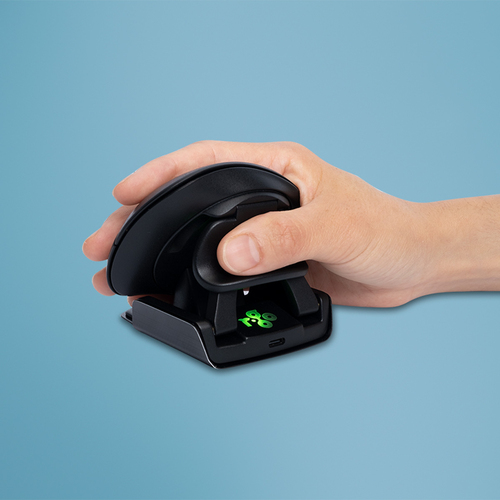
R-Go Tools Ergonomic
mouse R-Go Twister, with break software, ambidextrous mouse for both hands, foldable, bluetooth and wired

R-Go Tools Vertical
mouse R-Go HE Basic, ergonomic mouse, medium (hand size ≥ 185 mm), right-handed, Bluetooth, grey
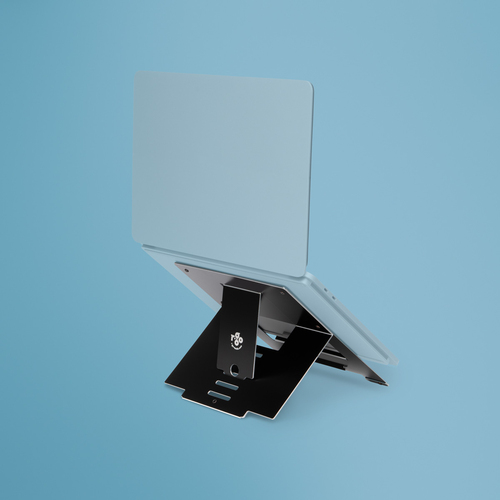
R-Go Tools
Laptop stand R-Go Riser Flexible, adjustable folding laptop riser, ergonomic, Hylite aluminum, black